Geopolitics stories
How power, trade and conflict shape the world
Geopolitics
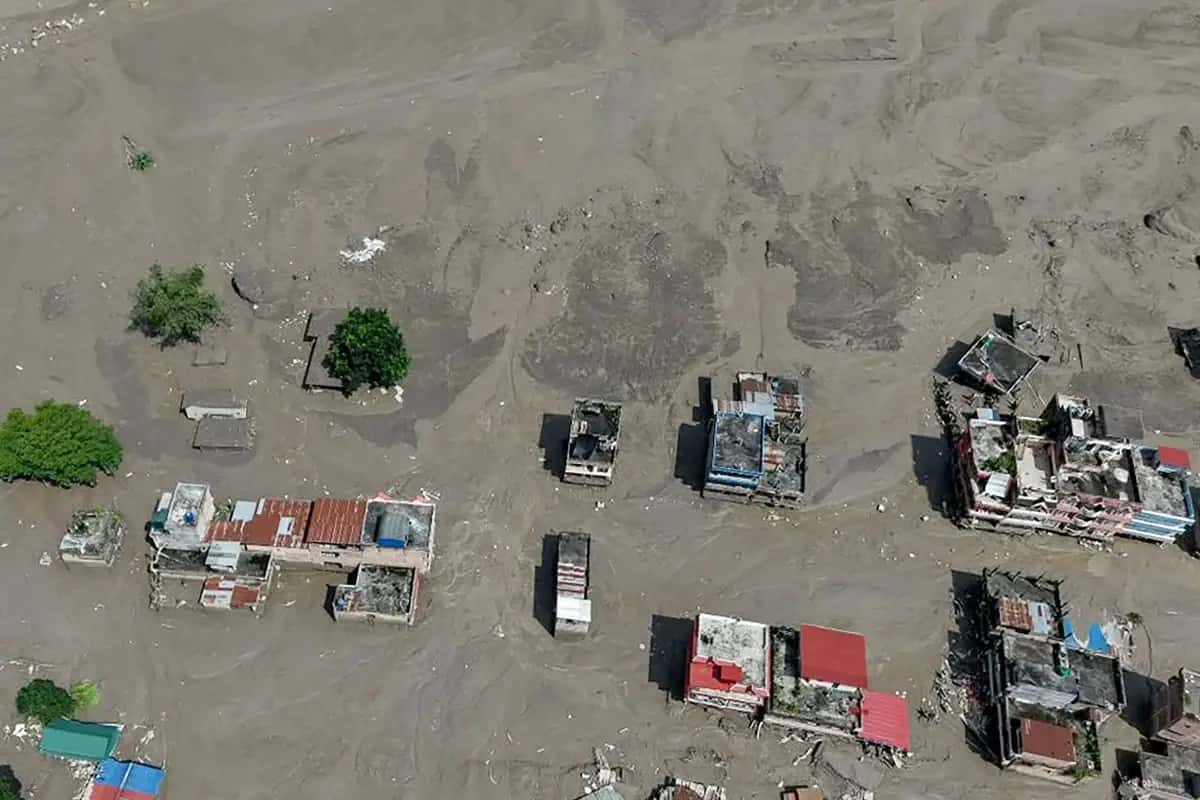
A melting glacier just erased Nepal's escape route from India
A glacier collapse near the Nepal-Tibet border on August 26, 2026 triggered flash floods that have killed at least 390 people, with more than 1,500 still missing across Nepal and the Tibet Autonomous Region. The most important part: floodwaters wiped out Gyirong Port, the border crossing that handled nearly a third of all China-Nepal trade, worth roughly $600 million a year. Chinese Premier Li Qiang personally visited the disaster site. The death toll keeps climbing, but the quieter casualty is a decade-long Nepali plan that just washed away with it.
31 August 2026 · 4 min read
Geopolitics
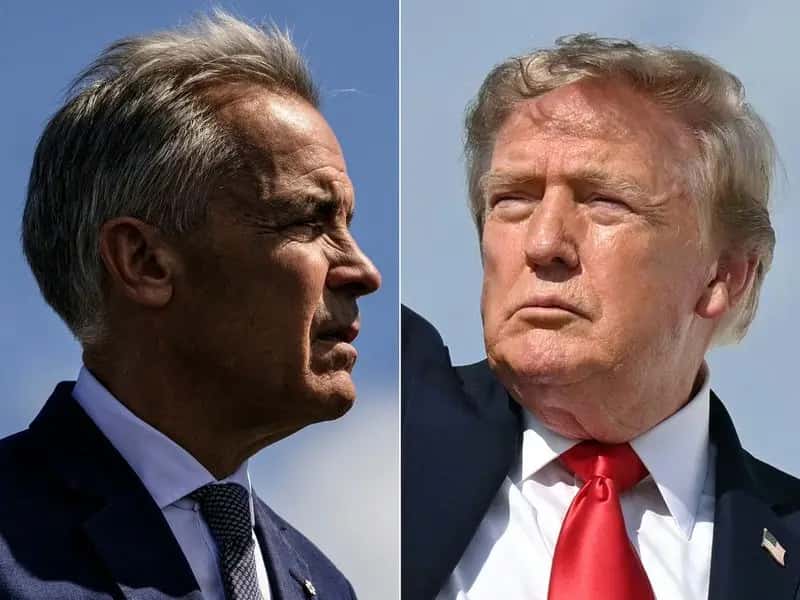
Canada just matched Trump's tariffs dollar for dollar, and it's not backing down
Canada will hit the United States with retaliatory tariffs of up to 50% on nearly 700 products starting September 8, 2026, doubling its existing steel and aluminum tariffs to match new US duties. The move answers President Donald Trump's 50% tariffs on $20 billion of Canadian goods, including wine, dairy, furniture, and cement, that took effect August 22. Prime Minister Mark Carney says Canada will match Washington "dollar for dollar." Talks reportedly collapsed partly over US demands touching Quebec's language and culture. Two of the world's most integrated trading partners are now taxing each other like rivals.
28 August 2026 · 3 min read
Geopolitics
India just realised the fastest way to need China less is to buy more from it
India and China held their 36th border talks in New Delhi on August 6, 2026, with both sides pledging to keep the Line of Actual Control calm. But the real story is quieter and stranger. India imported $132 billion worth of goods from China last fiscal year, a trade gap of over $100 billion, and instead of shrinking that number, New Delhi is now easing the rules that kept Chinese investment and technicians out. Officials have flagged roughly $51 billion of imports for future domestic replacement. Why would a country trying to reduce its dependence on a rival open the door wider to that same rival first?
12 August 2026 · 4 min read
Geopolitics
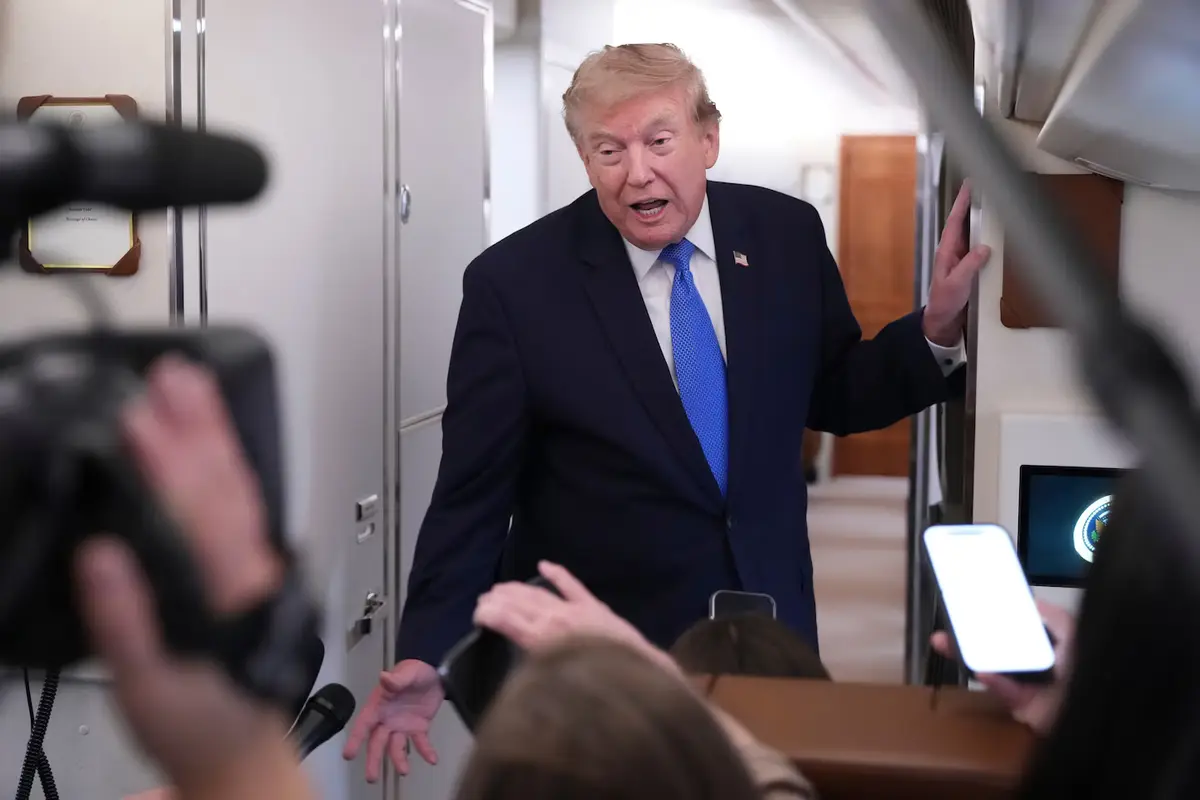
America nearly launched its biggest attack since World War Two, over a deal Iran says doesn't exist
On August 2, 2026, President Donald Trump said he called off what he described as "the biggest attack since World War Two" on Iran, after Saudi Arabia, the UAE, Qatar and Iran itself asked him to hold off because "the perimeters of a deal" on the Strait of Hormuz and Iran's nuclear program had been agreed. Iran's Foreign Minister Abbas Araghchi confirmed Hormuz talks with Oman were in their "final stages," but flatly denied any US talks were scheduled, and warned of "a decisive and proportionate response" to further aggression. Same war, two governments, two different stories about what happens next.
4 August 2026 · 4 min read
Geopolitics
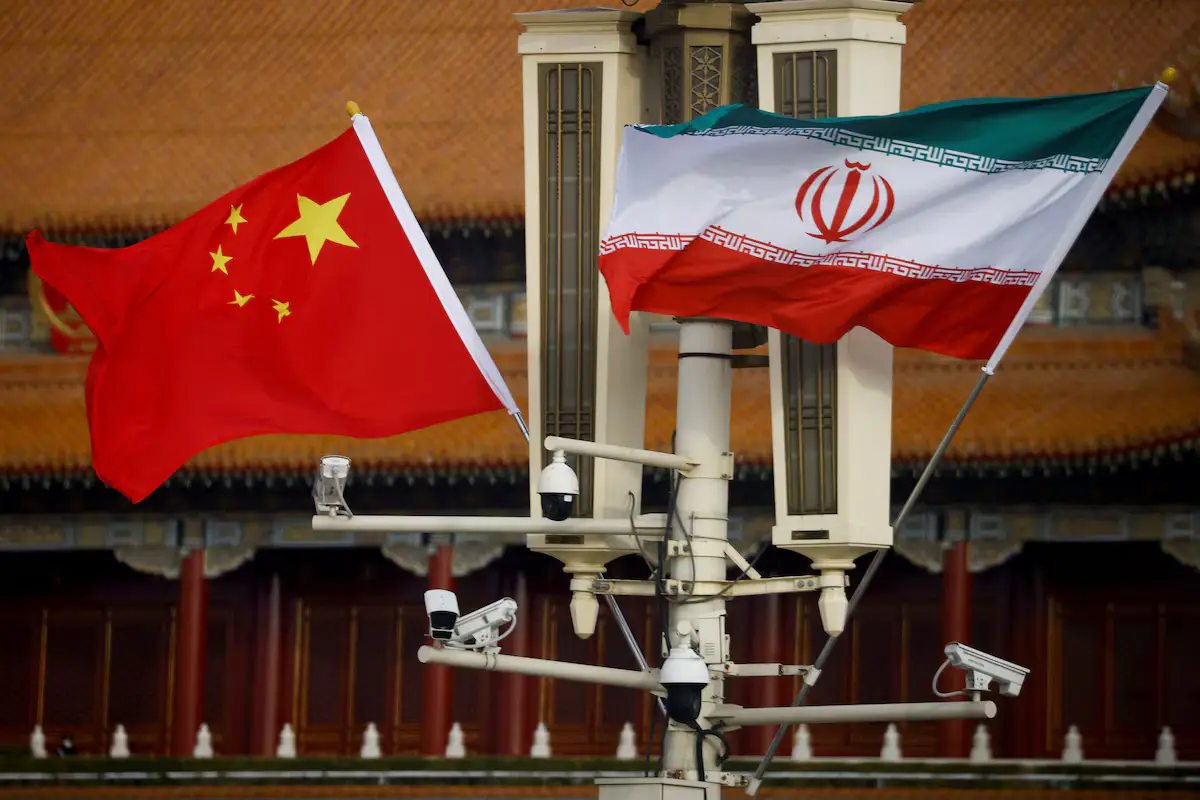
China is secretly shipping missiles to Iran through a Hong Kong shell company, while playing peacemaker
Reuters reported on July 28 and 29, 2026 that Iran has agreed to buy 300 to 400 Chinese made shoulder fired missiles, the QW-12 and FN-16 models, for $60 million to $70 million, arriving within weeks. The deal reportedly runs through **Zhongqing Baoshang**, a Hong Kong based intermediary, with one report claiming the route crosses Pakistani airspace. China's Foreign Ministry called the reports "completely groundless." Pakistan's military called the transit claim "concocted and false." The news lands weeks after President Trump warned China that arming Iran "would be very bad for them," and in the middle of fragile talks over the Strait of Hormuz.
31 July 2026 · 4 min read
Geopolitics
Britain changed its prime minister today and not a single voter was asked
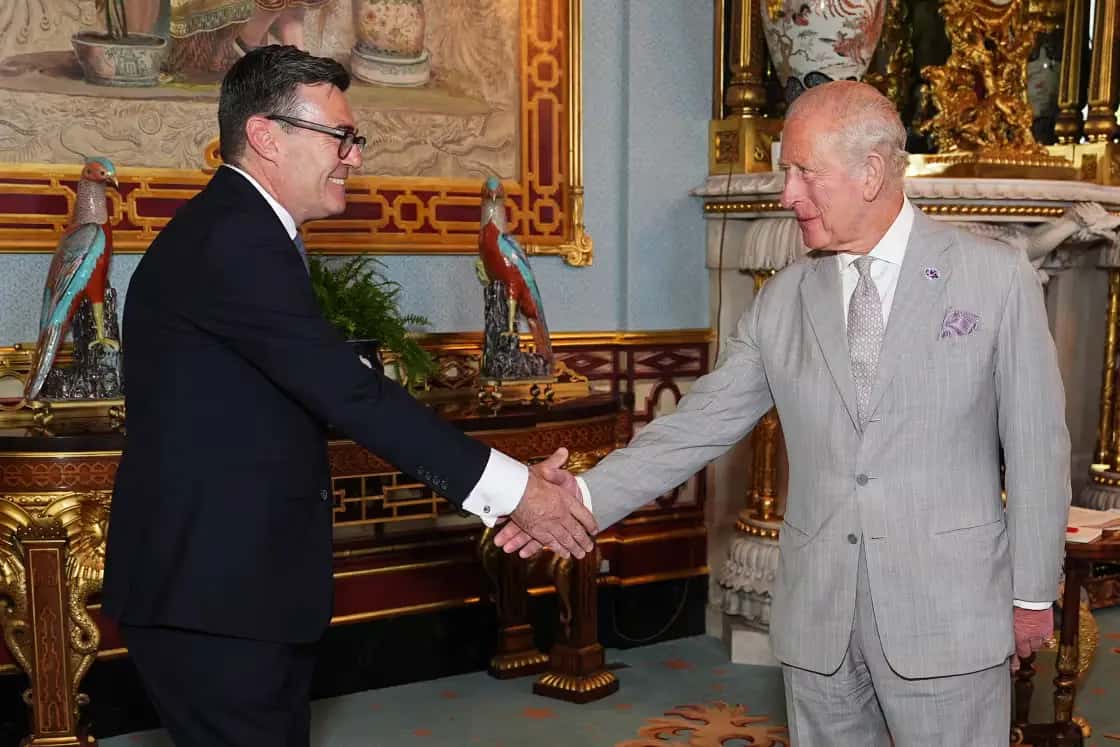
Andy Burnham, the mayor of Greater Manchester, became the United Kingdom's prime minister today, its seventh in ten years. Keir Starmer resigned at Buckingham Palace this morning, just two years after winning a landslide. Burnham won the Labour leadership by running completely unopposed, and his first promise as PM was strikingly small and specific, an instruction to end rough sleeping. How does a man who was not even an MP a year ago end up in 10 Downing Street without a general election?
23 July 2026 · 4 min read
Geopolitics
Australia guards the world's largest uranium reserves. It just opened the vault to India
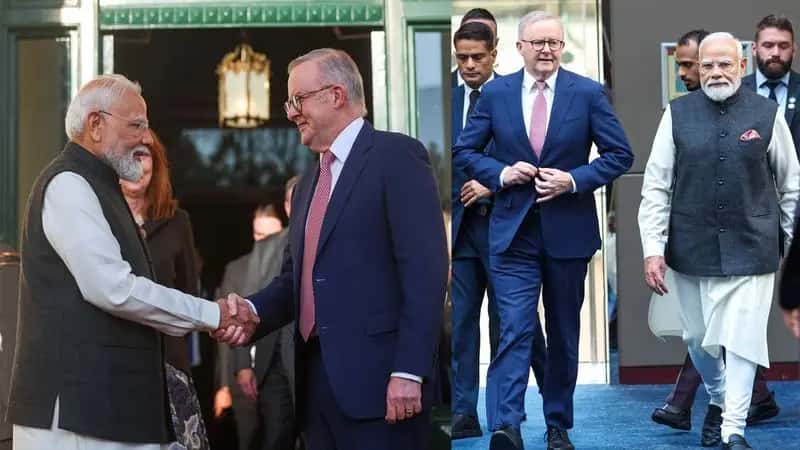
Modi's three days in Melbourne (July 8 to 10) produced 18 agreements, but one stands above the rest: Australia signed the final paperwork enabling long-term uranium exports to India, something it resisted for decades because India never signed the nuclear Non-Proliferation Treaty. Add a Critical Minerals Corridor, a defence pact both sides call a "step change," a tech triangle with Canada, and a promise to fast-track the long-pending CECA trade deal. The word "China" appears nowhere in the documents. Every single one is shaped like it.
21 July 2026 · 3 min read
Geopolitics
An Indian seafarer tragically lost his life to a missile fired by a traditional strategic ally
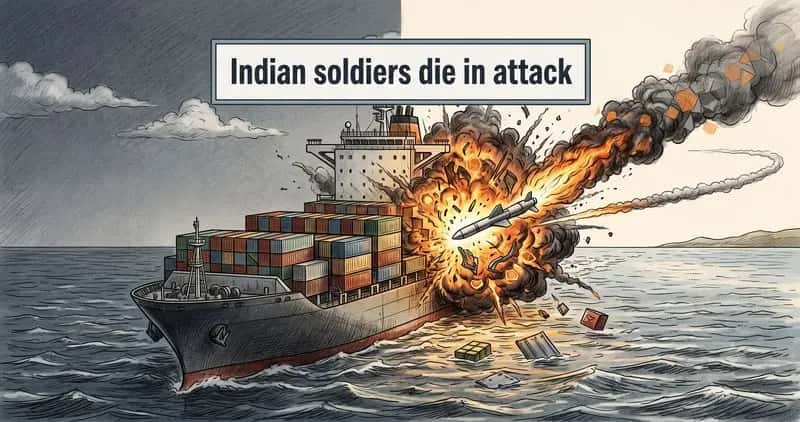
Open any strategic defense tracker right now and the entire space looks crowded with multi-billion-dollar maritime treaties, economic pipelines, and joint deep-water infrastructure investments meant to bypass land blockades. But an explosive, high-stakes military event finalized over the last 24 hours completely shattered that peaceful corporate matrix. Indian Computer Emergency Response Team and maritime intelligence networks confirmed that an Iranian missile strike executed direct hits on commercial tankers inside the Strait of Hormuz, claiming the life of an Indian seafarer and critically injuring eight others.
15 July 2026 · 4 min read

Geopolitics
Europe is having its deadliest summer ever. Here is what is actually going on
A record heatwave has hit Europe, killing thousands, stopping trains, and shutting parts of hospitals. But Europe was never built for heat, so it is struggling badly. At the same time, people are angry and protesting, and politicians are fighting over what to do. Some want to give everyone air conditioning now. Others say that will only make things worse. The qquestion is why Europe wasn't ready, and why people are so upset?
2 July 2026 · 3 min read
Geopolitics
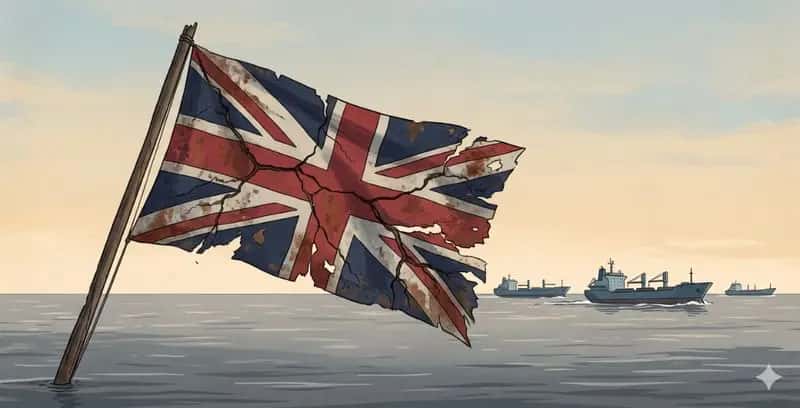
Britain once ruled the world. Today it can't fix its own economy
For 200 years, Britain was the richest and most powerful country on earth. It made about a fifth of everything the world produced and ruled over a third of all people. It is still wealthy today, but it is clearly in trouble. Its economy has barely grown for years, its debt has ballooned, its towns are cutting basic services, and its richest residents are leaving. Britain has tried several big fixes, and almost all of them have backfired. Here is what is really happening, in simple terms.
28 June 2026 · 4 min read
Geopolitics
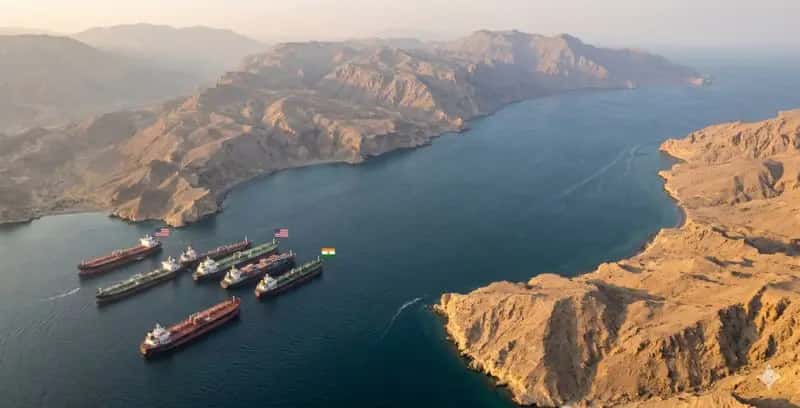
The Strait of Hormuz reopened this week. The ships still won't go
This week, after months of war, the US and Iran signed a deal to reopen the Strait of Hormuz, the narrow channel that carries a fifth of the world's oil. President Trump declared it open, and a few tankers crossed. Then almost everything stopped again. The strange truth is that Iran never physically blocked the strait to close it, and now that it has agreed to reopen it, it cannot simply switch the traffic back on. Permission and safety, it turns out, are very different things.
21 June 2026 · 4 min read
Geopolitics
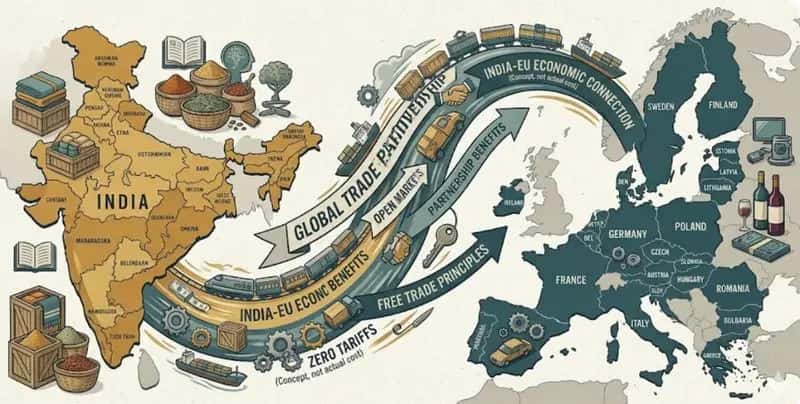
India just struck the biggest trade deal in its history. It could not have come at a better time
On the sidelines of last week's G7 summit, India and the EU confirmed they will sign a sweeping trade deal by the end of 2026. For Indian consumers, it means European cars, wine, whisky, and olive oil will get dramatically cheaper over the coming years. But the same deal threatens Indian carmakers and wineries, whose shares fell on the news. And the real reason both sides rushed to sign has little to do with wine, and everything to do with America and China.
20 June 2026 · 5 min read
Geopolitics
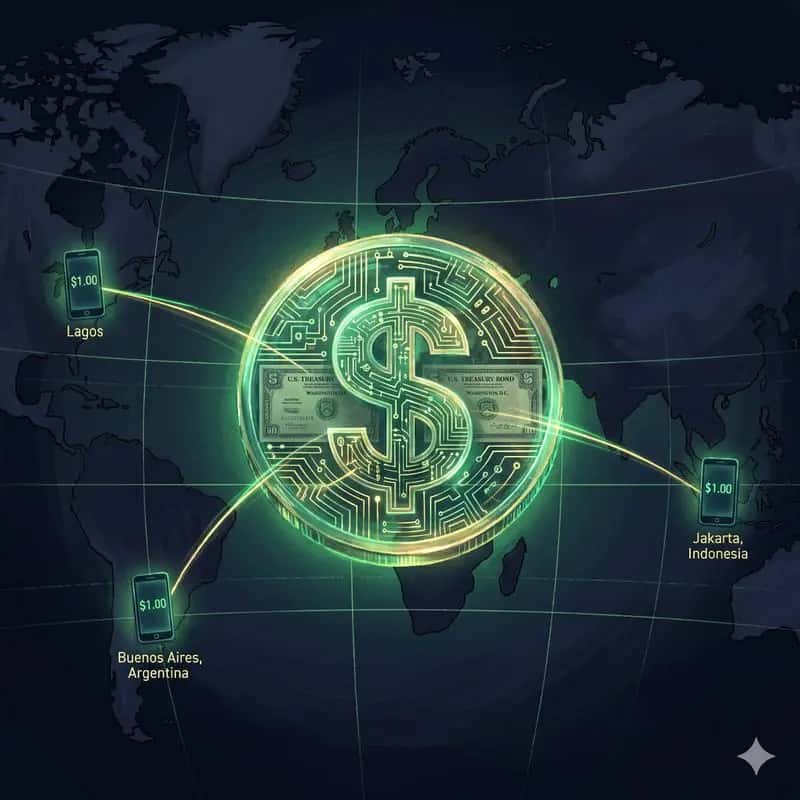
The Hidden Reason Why America Wants the World Hooked on Crypto
America needs to sell trillions in bonds every year, but its biggest buyers, China and Japan, have been pulling back. The unlikely replacement: stablecoins, digital dollars used in crypto. A 2025 US law requires every stablecoin to be backed by government debt. Issuers already hold $155 billion of it. So when someone in Argentina buys a digital dollar to protect their savings, they're quietly helping fund the US government. US turned crypto into a machine that finances its debt and spreads dollar worldwide.
4 June 2026 · 4 min read
Geopolitics
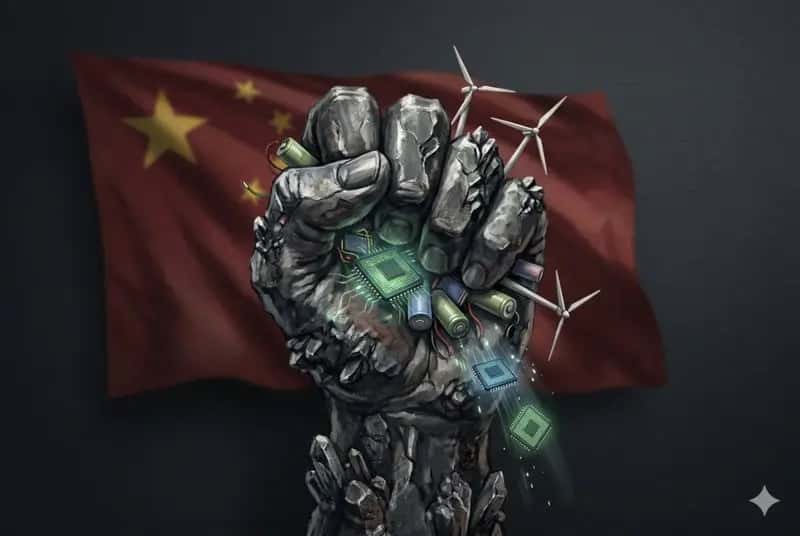
How China Turned a Group of Little-Known Metals Into Its Most Powerful Weapon
Tariffs are the trade war everyone watches. But the real weapon? A group of 17 metals most people have never heard of, rare earths. They go into electric cars, fighter jets, wind turbines, and AI servers. China doesn't just mine most of them. It processes 90 percent of the world's supply. In 2025, it started limiting exports. European car factories ran out of parts and shut down. Prices outside China shot up six times higher than inside. The striking part: China isn't running low. It's simply deciding who gets them, and when.
3 June 2026 · 4 min read