Geopolitics
Europe is having its deadliest summer ever. Here is what is actually going on
By Ashish Kumar · 2 July 2026 · 3 min read
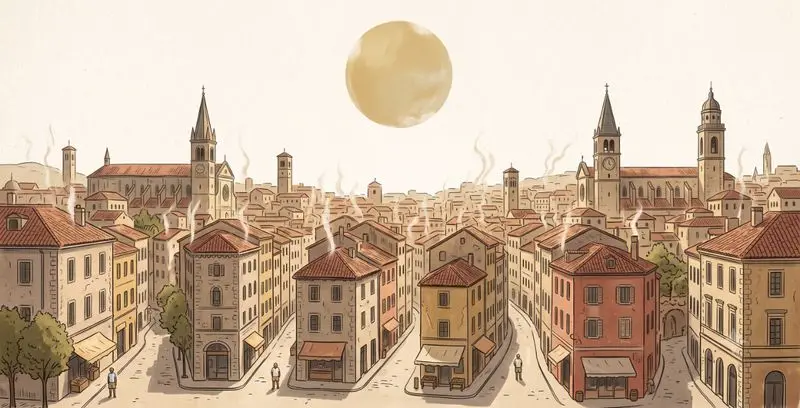
A record heatwave is baking a continent that was never built for it, and instead of uniting Europe, the heat is tearing its politics apart.
Why is it so hot?
Two reasons. First, a big mass of hot air got stuck over Europe and would not move. Think of a lid trapping heat over the continent for days, with no cool air able to get in. Second, and more importantly, the planet is slowly heating up because of climate change, and Europe is warming faster than anywhere else on earth, about twice as fast as the global average. Put those two together and you get record temperatures: nearly 46°C in Portugal, the hottest June ever in Britain, and old records broken across Germany and Poland. More than 150 million people were hit by dangerous heat, and over 1,300 people have already died, with the real number expected to be far higher.
Why was Europe not ready?
Because Europe was built for the cold, not the heat. For hundreds of years, the problem in Europe was freezing winters, so everything was designed to trap warmth and stay cosy. Thick walls, small windows, no cooling. That is now a problem. Only about 1 in 5 European homes has air conditioning, compared to about 9 in 10 in America. Many Europeans never bought AC because they never needed it, and some saw it as wasteful. So when the heat came, people had no way to cool down. It got worse than that: train tracks bent in the heat and stopped trains, hospital equipment overheated, and in France some nuclear power plants had to switch off because the river water they use to cool down got too hot. The whole system was caught unprepared.
Why are people protesting?
The heat is only part of it. Life in Europe has become expensive, especially energy bills, ever since Europe stopped buying cheap gas from Russia in 2022. People are stretched and frustrated. On top of that, the government has been asking people to make sacrifices to fight climate change, use less, pay more, follow strict green rules. Farmers are the angriest. They say these green rules cut their earnings, while cheaper food from other countries is allowed in to compete with them. So farmers have been driving tractors into cities like Paris and Berlin and blocking the roads in protest. Ordinary people are frustrated too, because they are being told to suffer now for a benefit they cannot see.
What are the politicians saying?
They are split into two camps, and this is where it gets political.
One side, mostly right-wing and populist parties, says the answer is simple: give people air conditioning right now. In France, they proposed spending billions to put AC in homes, schools and hospitals. They say the government should stop punishing ordinary people with green rules and just help them stay cool and comfortable. The other side, mostly left-wing and green parties, says that is a short-term trap. More air conditioning means burning more fuel, and AC pushes hot air outside, which can make cities even hotter. They want slower, long-term fixes instead: better-insulated buildings, more trees, and cooler rooftops. The problem is that people are suffering today, so the promise of "cool air now" is winning, and the promise of "plant trees for the future" is losing. Because of all this anger, Europe has even started cancelling some of its own climate rules to calm the protests.
Europe is discovering that fighting climate change is easy to promise, but hard to keep when it starts to hurt people's wallets and comfort. When the heat and the bills pile up, people stop caring about the future and just want relief today, and that is exactly why Europe is struggling to act.
Watch on Qrio
One-minute reels on this and related topics.
 ▶ 1:35
Startups
A founder pitch: AI friends for lonely Gen Z
by Elevator Pitch by Masters’ Union
 ▶ 1:34
Science
How can we know pi if we can never finish writing it?
by gravityassistus
 ▶ 2:29
Startups
A founder pitch: why most AI agents are built wrong
by Elevator Pitch by Masters’ Union
 ▶ 2:04
Startups
Uber vs Lyft: a 15-year war
by PeterStewieStartup
More geopolitics stories
Geopolitics
A melting glacier just erased Nepal's escape route from India
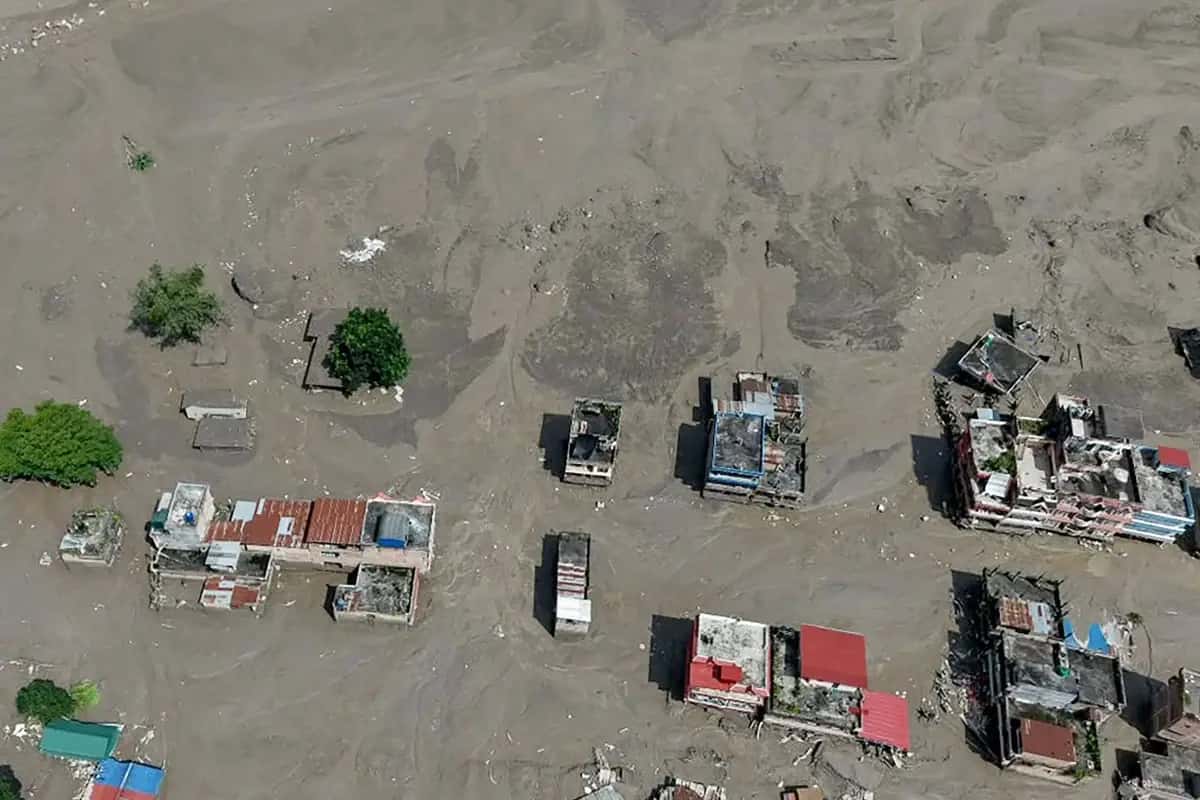
A glacier collapse near the Nepal-Tibet border on August 26, 2026 triggered flash floods that have killed at least 390 people, with more than 1,500 still missing across Nepal and the Tibet Autonomous Region. The most important part: floodwaters wiped out Gyirong Port, the border crossing that handled nearly a third of all China-Nepal trade, worth roughly $600 million a year. Chinese Premier Li Qiang personally visited the disaster site. The death toll keeps climbing, but the quieter casualty is a decade-long Nepali plan that just washed away with it.
31 August 2026 · 4 min read

Geopolitics
Canada just matched Trump's tariffs dollar for dollar, and it's not backing down
Canada will hit the United States with retaliatory tariffs of up to 50% on nearly 700 products starting September 8, 2026, doubling its existing steel and aluminum tariffs to match new US duties. The move answers President Donald Trump's 50% tariffs on $20 billion of Canadian goods, including wine, dairy, furniture, and cement, that took effect August 22. Prime Minister Mark Carney says Canada will match Washington "dollar for dollar." Talks reportedly collapsed partly over US demands touching Quebec's language and culture. Two of the world's most integrated trading partners are now taxing each other like rivals.
28 August 2026 · 3 min read