Geopolitics
Canada just matched Trump's tariffs dollar for dollar, and it's not backing down
By Qrio · 28 August 2026 · 3 min read
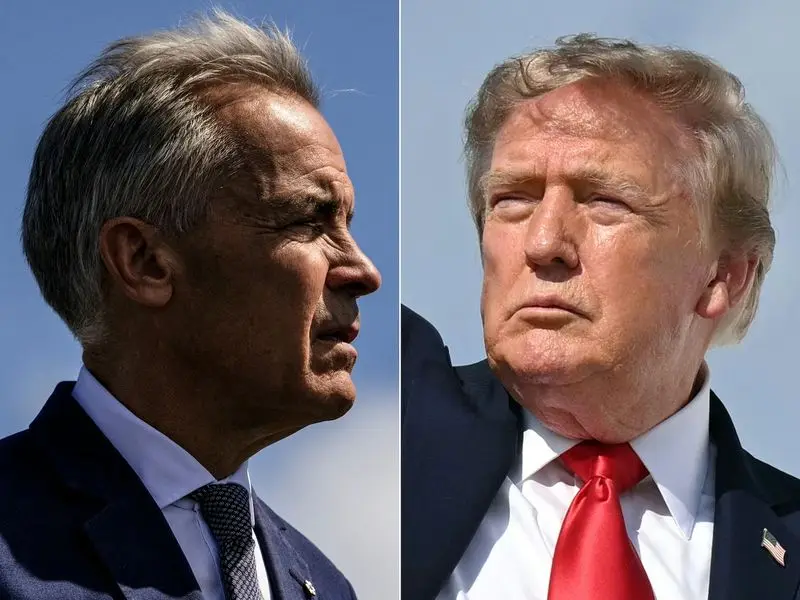
Two countries that share the world's longest undefended border and a trade relationship built over a century are now taxing each other's goods like adversaries, and neither side is the one backing down first.
On August 22, 2026, the United States began collecting 50% tariffs on about $20 billion worth of Canadian exports, covering wine, furniture, dairy, cement, clothing, fishing rods, and hockey equipment. That's roughly 5.5% of everything Canada sells to the US in a normal year, small as a share of the overall relationship but concentrated enough to hit specific industries hard. Canada did not wait long to answer.
What Canada is actually doing.
Starting September 8, 2026, Canada will double its existing tariffs on American steel and aluminum from 25% to 50%, matching Washington's own rate, and add fresh tariffs on close to 700 more American products worth about $27.6 billion: dairy, home appliances, agricultural equipment, pulp and paper, plastics, and electronics. Prime Minister Mark Carney described the approach in blunt terms: "Canada will match Washington's new tariffs dollar for dollar in order to protect Canadian workers, farmers, families, and businesses."
Why the talks actually broke down.
This wasn't simply a disagreement over tariff percentages. Carney said US demands included restrictions on Canada's ability to strike new trade deals with other countries, along with what he characterized as threats to French language protections and Quebec's culture. Trump, for his part, posted on Truth Social that "Canada wants the benefits of being a State, without being one!!!" and claimed Canada had charged US farmers "massive amounts" in tariffs for years.
The non-obvious part.
Once a trade dispute starts touching identity and sovereignty instead of just tariff schedules, it gets much harder to unwind with a quiet phone call. Nobody wants to be the leader who conceded on language protections or national identity, even if conceding on a tariff percentage might otherwise be politically survivable. That's likely part of why both sides are holding firm: a Leger poll found 56% of Canadians now favor an even tougher approach, with no further concessions, giving Carney domestic cover to stay the course.
"Canada will match Washington's new tariffs dollar for dollar in order to protect Canadian workers, farmers, families, and businesses." - Mark Carney, Prime Minister of Canada
The honest catch.
Tariffs this size don't stay abstract for long. Small and medium businesses on both sides of the border will absorb much of the real cost, in higher prices, tighter margins, and in some cases, according to on-the-ground reporting, outright bankruptcy for firms that can't quickly find alternative suppliers. Neither government pays these tariffs directly; importers and consumers do.
Neighbors isn't usually a word governments reach for to describe a tariff war this large. In Ottawa and Washington this week, it might be the only word left that still applies.
More geopolitics stories
Geopolitics
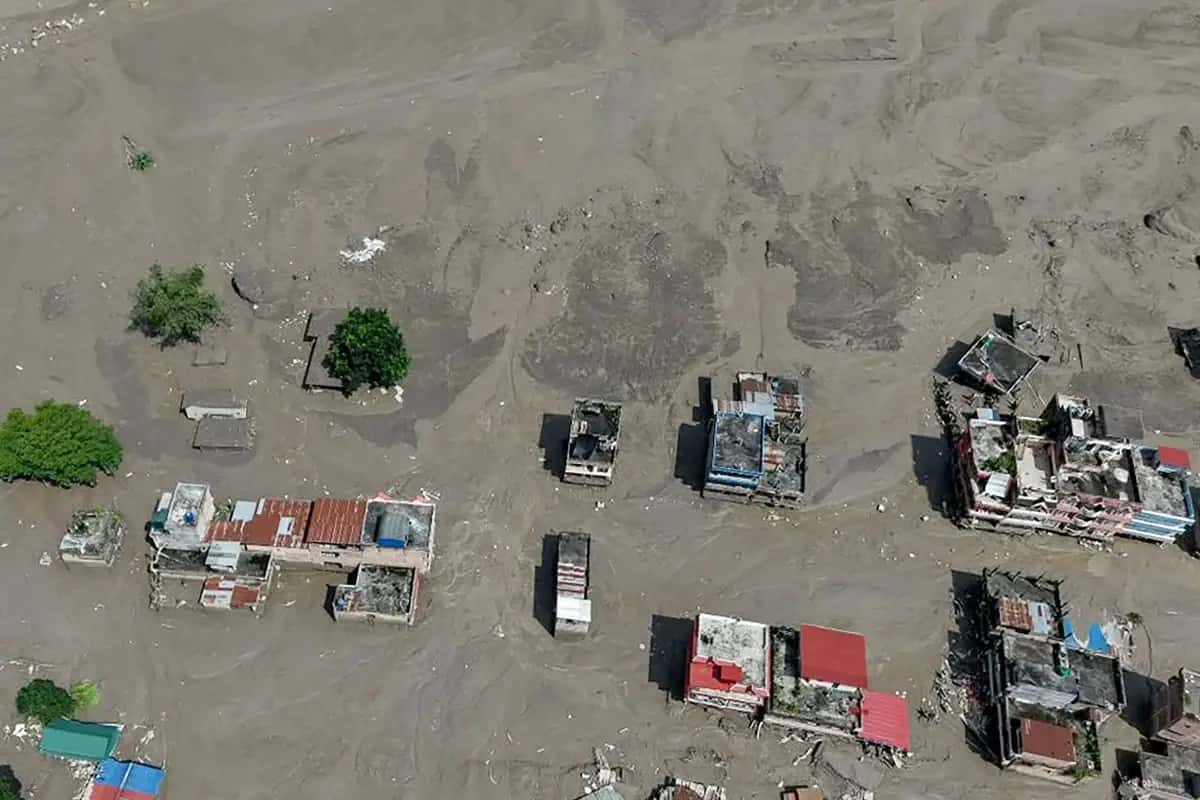
A melting glacier just erased Nepal's escape route from India
A glacier collapse near the Nepal-Tibet border on August 26, 2026 triggered flash floods that have killed at least 390 people, with more than 1,500 still missing across Nepal and the Tibet Autonomous Region. The most important part: floodwaters wiped out Gyirong Port, the border crossing that handled nearly a third of all China-Nepal trade, worth roughly $600 million a year. Chinese Premier Li Qiang personally visited the disaster site. The death toll keeps climbing, but the quieter casualty is a decade-long Nepali plan that just washed away with it.
31 August 2026 · 4 min read
Geopolitics
India just realised the fastest way to need China less is to buy more from it
India and China held their 36th border talks in New Delhi on August 6, 2026, with both sides pledging to keep the Line of Actual Control calm. But the real story is quieter and stranger. India imported $132 billion worth of goods from China last fiscal year, a trade gap of over $100 billion, and instead of shrinking that number, New Delhi is now easing the rules that kept Chinese investment and technicians out. Officials have flagged roughly $51 billion of imports for future domestic replacement. Why would a country trying to reduce its dependence on a rival open the door wider to that same rival first?
12 August 2026 · 4 min read