Geopolitics
India just realised the fastest way to need China less is to buy more from it
By Qrio · 12 August 2026 · 4 min read
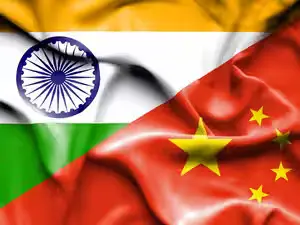
A five year freeze in India-China relations is thawing, but not because the two sides suddenly trust each other. It's thawing because India discovered it cannot build its way out of China without going through China first.
A border meeting that wasn't really about the border
On August 6, 2026, Indian Joint Secretary Sujit Ghosh and Chinese Director General Hou Yanqi led the 36th meeting of the Working Mechanism for Consultation and Coordination on India-China Border Affairs in New Delhi. Officially, the two sides discussed boundary delimitation and reviewed the situation along the Line of Actual Control, agreeing to keep using military and diplomatic channels to avoid another standoff like the 2020 Galwan clash. Unofficially, the meeting is one more data point in a broader thaw that began after 2024 disengagement deals cleared the last major face-off points at Depsang and Demchok, and that has picked up real economic momentum since March 2026, when India quietly eased investment curbs imposed after the border crisis.
The number that explains everything
Here is the detail most coverage of the border talks misses entirely. India's trade with China isn't shrinking, it's roughly $151 billion a year and heavily lopsided, with India buying far more than it sells. Reuters has estimated that visa restrictions on Chinese technicians, imposed after 2020, cost India's electronics industry $15 billion in lost production over four years, because factories that needed Chinese engineers to install and calibrate machinery simply couldn't get them into the country. India's own "Make in India" push, the strategy meant to reduce reliance on Chinese manufacturing, was quietly being strangled by the very restrictions designed to punish China.
So New Delhi changed course. New rules now let Chinese companies take stakes of up to 10% in certain Indian sectors and get a faster regulatory approval pathway, a direct reversal of the post-2020 posture. Tata Motors has licensed electric vehicle platform technology from China's Chery. Indian solar manufacturers are prioritising Chinese polysilicon imports even while trying to build domestic capacity. The pattern repeats across electronics, batteries, textiles and footwear: before India can wean itself off Chinese supply chains, it needs more access to Chinese equipment, expertise and capital, not less.
A useful parallel
Think of a home cook who wants to stop ordering takeout every night. The fastest way there isn't to throw out every appliance from the store they're trying to quit, it's to buy one final set of good pots and pans from that same store, learn to use them properly, and only then stop ordering in. India's substitution strategy works the same way: use China's tools now to build the capacity that replaces China's goods later.
"Peace along the frontier has to come before normal relations." - External Affairs Minister S. Jaishankar
The honest catch
None of this touches the actual dispute. The territorial disagreement along the Line of Actual Control hasn't moved an inch, and both militaries still maintain large forces across the wider frontier, largely unchanged since 2020. What's thawing is commerce, not the underlying rivalry, and Jaishankar's own framing, that peace must come before normal relations, suggests even India's government sees this as a carefully bounded truce rather than a reset. There's also a real risk in the substitution strategy itself: leaning on Chinese technology and investment to build "independent" Indian manufacturing capacity could just create a different, subtler form of dependence, one measured in patents, components and know-how rather than finished goods.
India isn't choosing China over independence. It's betting it can only reach independence by walking through China first, and hoping it knows exactly when to stop.
More geopolitics stories
Geopolitics
A melting glacier just erased Nepal's escape route from India
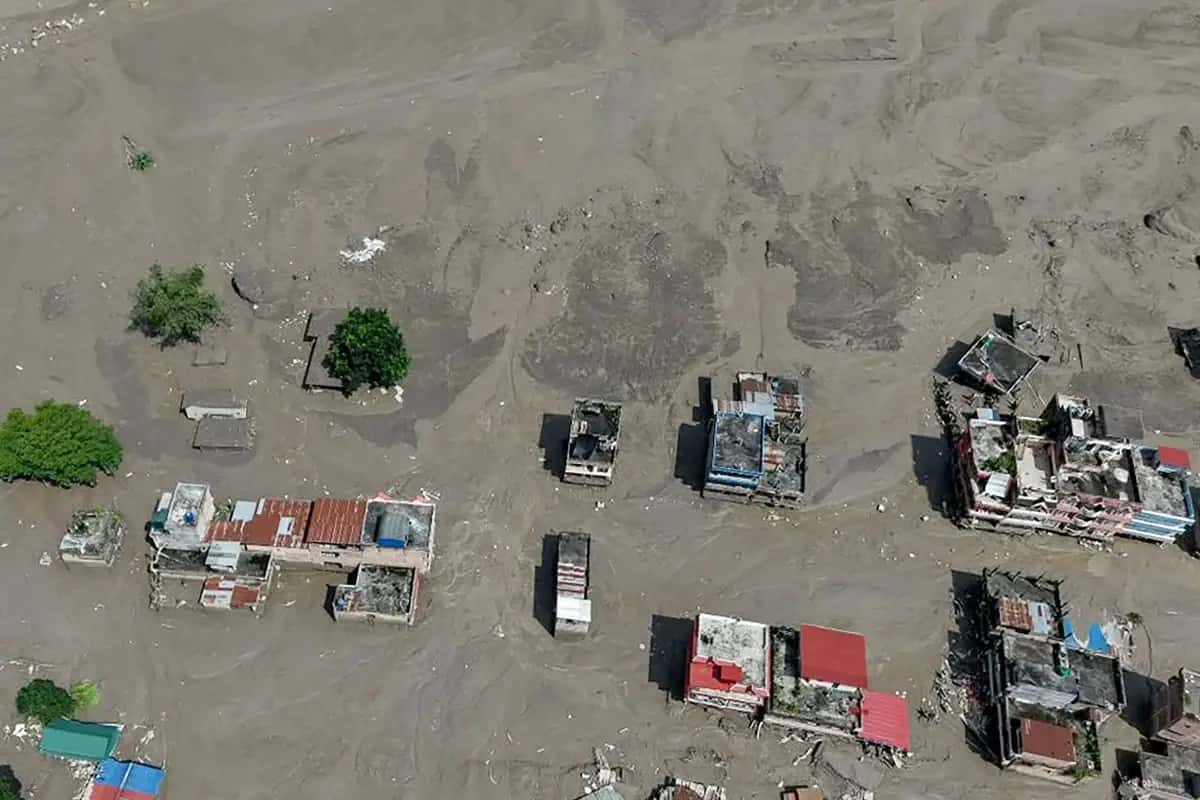
A glacier collapse near the Nepal-Tibet border on August 26, 2026 triggered flash floods that have killed at least 390 people, with more than 1,500 still missing across Nepal and the Tibet Autonomous Region. The most important part: floodwaters wiped out Gyirong Port, the border crossing that handled nearly a third of all China-Nepal trade, worth roughly $600 million a year. Chinese Premier Li Qiang personally visited the disaster site. The death toll keeps climbing, but the quieter casualty is a decade-long Nepali plan that just washed away with it.
31 August 2026 · 4 min read
Geopolitics
Canada just matched Trump's tariffs dollar for dollar, and it's not backing down
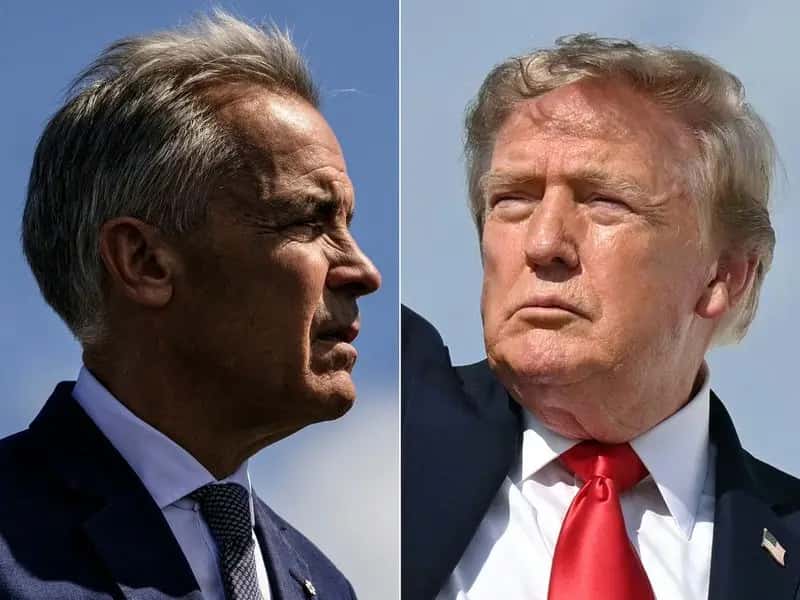
Canada will hit the United States with retaliatory tariffs of up to 50% on nearly 700 products starting September 8, 2026, doubling its existing steel and aluminum tariffs to match new US duties. The move answers President Donald Trump's 50% tariffs on $20 billion of Canadian goods, including wine, dairy, furniture, and cement, that took effect August 22. Prime Minister Mark Carney says Canada will match Washington "dollar for dollar." Talks reportedly collapsed partly over US demands touching Quebec's language and culture. Two of the world's most integrated trading partners are now taxing each other like rivals.
28 August 2026 · 3 min read