Geopolitics
The Hidden Reason Why America Wants the World Hooked on Crypto
By Ashish Kumar · 4 June 2026 · 4 min read
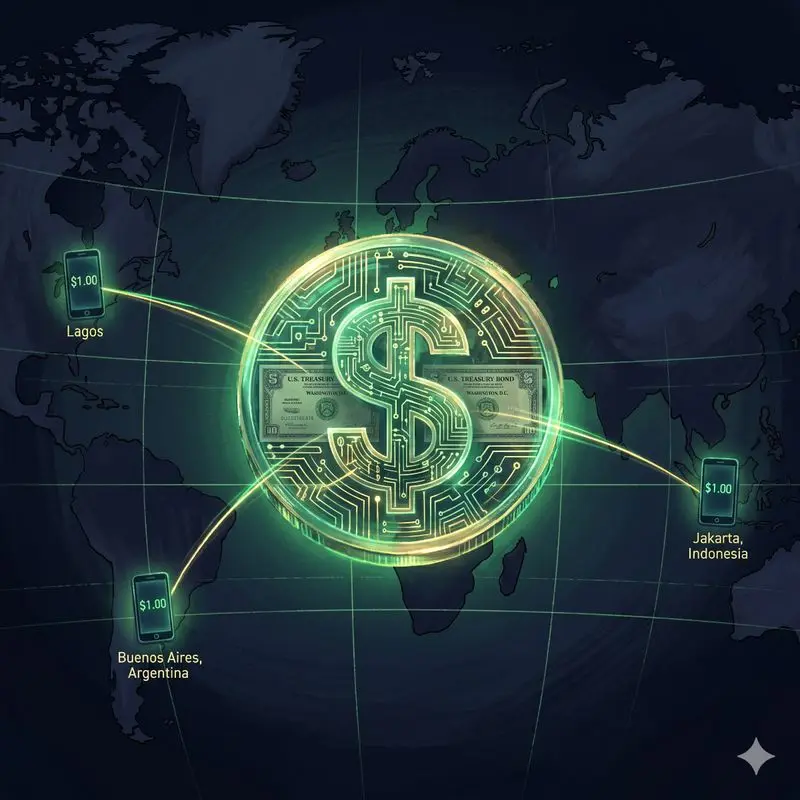
What a stablecoin actually is
A stablecoin is a digital token designed to always be worth one US dollar. Unlike Bitcoin, whose price swings wildly, a stablecoin holds a steady value because the company that issues it promises to hold one real dollar of safe assets for every token it creates. The two giants are Tether, with about $190 billion in circulation, and Circle, with about $78 billion. People use them to move money across borders in seconds, to hold dollars in countries where the local currency is collapsing, and to trade in and out of crypto without touching a bank. To the user, it feels like a faster dollar. The interesting question is what sits behind that dollar.
A few numbers show the scale this has reached:
- The total stablecoin market crossed $300 billion in 2026, up from $238 billion a year earlier.
- These tokens moved more than $27 trillion in the past year, a volume that rivals the entire Visa network.
- Stablecoin issuers already hold roughly $155 billion in US government debt.
- The US Treasury Secretary has said the market could grow past $2 trillion by 2028.
The debt problem hiding underneath
To see why Washington cares, you have to look at America's debt. The US government spends far more than it collects, so it constantly borrows by selling bonds, which are simply promises to repay with interest. For decades, foreign governments like China and Japan were happy to buy huge amounts of these bonds. In recent years they have pulled back, and some have openly discussed using their holdings as leverage in negotiations with Washington. At the same time the US central bank stopped buying as well. That left a worrying question. With the old buyers stepping away, who would finance a government that needs to borrow trillions every year?
How a crypto token became the answer
Stablecoins turned out to be the unlikely answer, and a 2025 law made it deliberate. The GENIUS Act, signed in July 2025, created the first US rulebook for stablecoins and required every token to be backed one-to-one by cash or short-term US government debt. That single rule quietly turned every stablecoin issuer into a forced buyer of American debt. Tether alone now holds over $122 billion in US government securities, which ranks it among the top twenty holders in the world, ahead of entire countries like Germany. The mechanism is elegant. A person in a high-inflation country buys digital dollars to protect their savings. The issuer takes that money and parks it in US government debt. The buyer gets a stable dollar, and America gets its borrowing funded, all without a single foreign government involved. A technology most people dismiss as crypto speculation has quietly become a tool of American power.Why this spreads the dollar deeper into the world There is a second prize beyond funding the debt, and it may matter more. For decades the dollar's strength has rested on the fact that the world chooses to use it. As of late 2025, about 99 percent of all stablecoins in circulation were tied to the dollar. More than 80 percent of stablecoin activity happens outside the United States. That means a farmer in Nigeria or a shopkeeper in Argentina, people who will never open an American bank account, are now holding and spending dollars through their phones. Every one of them deepens the world's dependence on the US currency, which is exactly the position of strength America has spent a century building. The US Treasury Secretary has been open that a well-regulated stablecoin market is meant to cement the dollar's global dominance.
What could still go wrong
The plan is not guaranteed. Growth has wobbled, slowing as crypto prices fell from their late-2025 highs, and the most ambitious targets may not arrive on schedule. Analysts at JPMorgan expect a more modest increase of around $700 billion, not the trillions some in Washington hope for, and several countries are pushing back against dollar tokens spreading inside their borders. There is a deeper risk too. The system ties America's debt market to the crypto world, so a panic in one could spill into the other. If millions of people tried to cash out their digital dollars at once, the issuers would have to sell their government bonds in a hurry, and trouble in crypto could become trouble in the market that funds the United States. For now, the machine runs quietly. A trader in Lagos buys a digital dollar to survive the week. The dollar he buys is built from American debt. He never reads a headline about it, never votes in a US election, and never holds an American bank account. But with that one tap, he has helped fund the most powerful government on earth and pulled its currency a little deeper into the world. That is the part almost nobody noticed.
Watch on Qrio
One-minute reels on this and related topics.


More geopolitics stories
Geopolitics
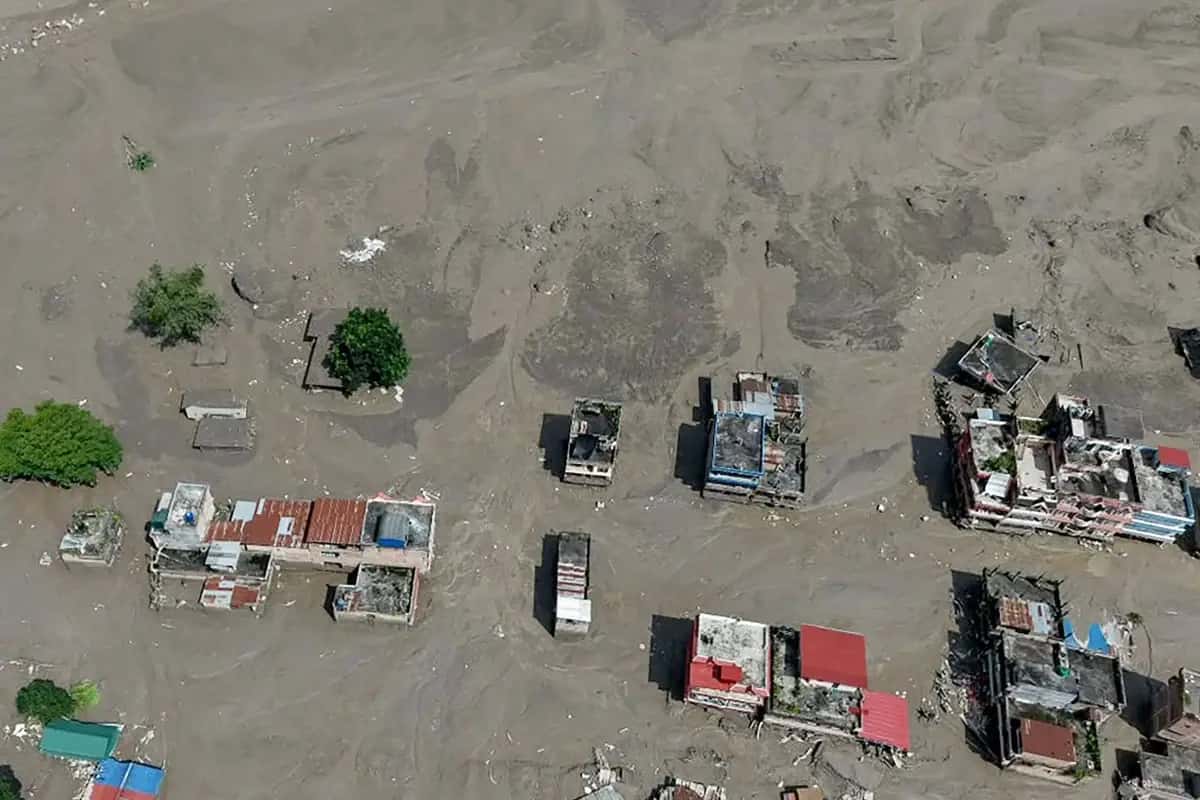
A melting glacier just erased Nepal's escape route from India
A glacier collapse near the Nepal-Tibet border on August 26, 2026 triggered flash floods that have killed at least 390 people, with more than 1,500 still missing across Nepal and the Tibet Autonomous Region. The most important part: floodwaters wiped out Gyirong Port, the border crossing that handled nearly a third of all China-Nepal trade, worth roughly $600 million a year. Chinese Premier Li Qiang personally visited the disaster site. The death toll keeps climbing, but the quieter casualty is a decade-long Nepali plan that just washed away with it.
31 August 2026 · 4 min read
Geopolitics
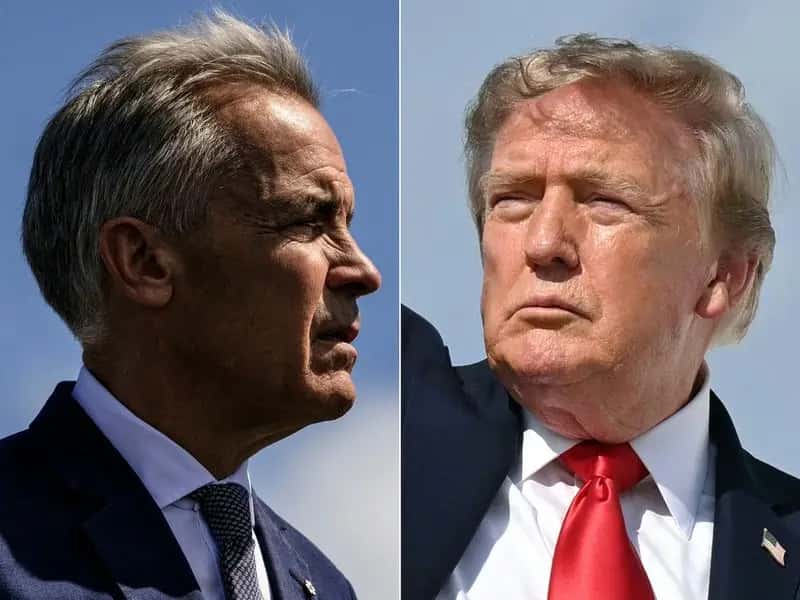
Canada just matched Trump's tariffs dollar for dollar, and it's not backing down
Canada will hit the United States with retaliatory tariffs of up to 50% on nearly 700 products starting September 8, 2026, doubling its existing steel and aluminum tariffs to match new US duties. The move answers President Donald Trump's 50% tariffs on $20 billion of Canadian goods, including wine, dairy, furniture, and cement, that took effect August 22. Prime Minister Mark Carney says Canada will match Washington "dollar for dollar." Talks reportedly collapsed partly over US demands touching Quebec's language and culture. Two of the world's most integrated trading partners are now taxing each other like rivals.
28 August 2026 · 3 min read