Geopolitics
America has put a price on India's trade deal, and it is 8 percentage points
By Ashish Kumar · 28 November 2026 · 6 min read
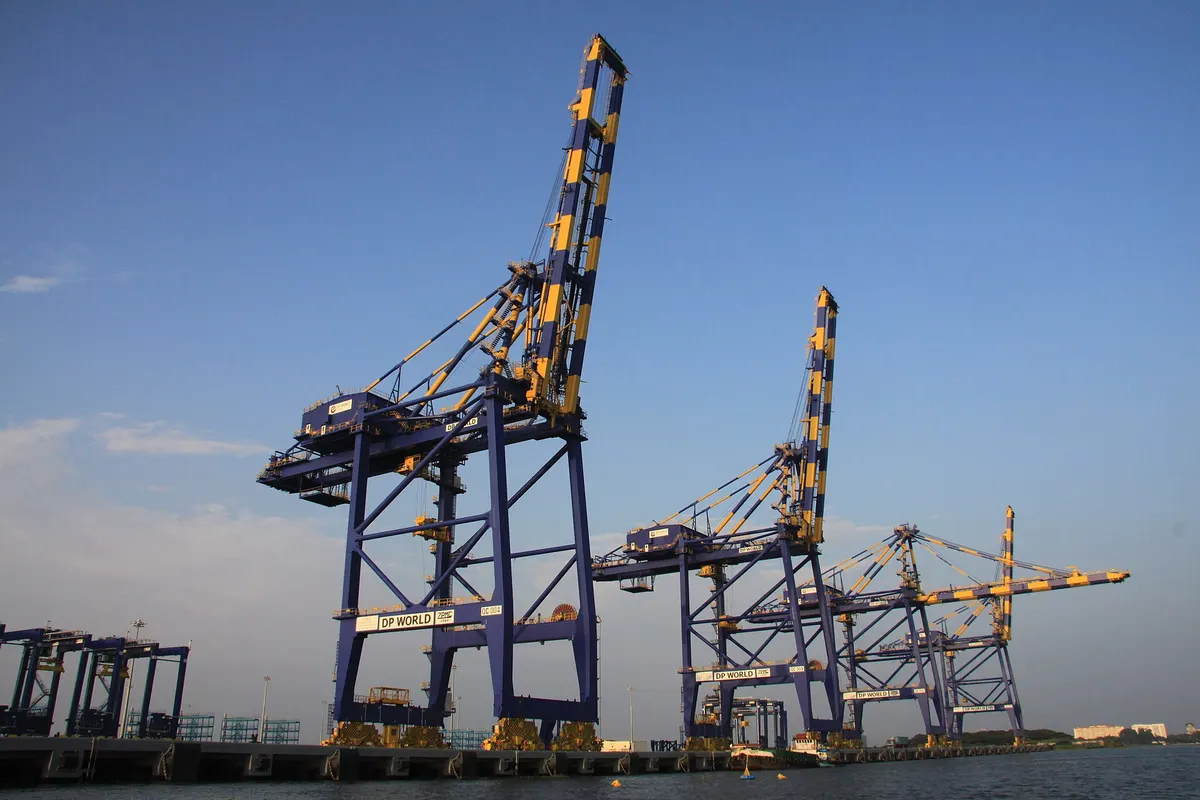
Container cranes at the Vallarpadam International Container Transshipment Terminal in Kochi. Photo: Bharat S Raj, CC BY-SA 3.0, via Wikimedia Commons, resized.
Washington has written two numbers next to India's name, and the space between them is the most interesting part of this week's trade news.
On Wednesday, November 25, the office of the US Trade Representative (USTR), America's trade negotiator, published a notice about India. It proposes a tariff of up to 25% on Indian goods. In the same breath, it says the rate could be 17% if India signs what it calls an "Agreement on Reciprocal Trade" with the United States.
A tariff is a tax charged at the border on goods coming in from another country. The American company importing the goods pays it, and usually passes part of it on to shoppers or squeezes the seller for a lower price.
So the US is offering India a choice with a price tag attached. Sign a deal, pay 17. Do not, pay 25. Everything in this story comes back to that gap of 8 percentage points.
Where the two numbers come from
The proposal is the end of an investigation the USTR opened on March 11 into 16 economies, under a 1974 American law called Section 301. It lets the US punish trade practices it considers unfair. The question was "structural excess capacity", meaning factories built with government help that produce far more than the home market needs, with the surplus pushed abroad at low prices.
On November 25, the USTR found against 14 of the 16, India among them. Mexico and Norway got no finding for now. According to the notice itself, the 25% would apply "net of existing Section 301 tariffs". Trade lawyers at Kelley Drye read that to mean the new rate would not be stacked on top of the 10% forced labour tariff India already pays. In other words, 25% would be the total, not 35%.
That 10% has been in place since July 24, after a separate Section 301 case about forced labour, as Outlook Business and Upstox reported at the time. It replaced a temporary 10% global tariff the White House brought in after the US Supreme Court struck down its earlier tariffs in February, per News On AIR.
What 8 points looks like on a shirt
Numbers like these are easy to nod at and hard to feel, so try one shipment. Say a Tiruppur factory sells a US store a box of T-shirts worth $100. At 17%, the importer pays $17 at the American border. At 25%, it pays $25. That is our own simple arithmetic, ignoring the regular duty that garments already pay.
Eight dollars on every hundred does not sound like much until you remember who else is selling T-shirts. The same notices give rivals their own pairs of numbers.
Without a deal, India would pay more than Bangladesh, a big rival in clothing. With one, it slips just under. That small swing is the whole design: the lower rate is only on offer if India signs, which makes saying no expensive.
Who is in the line of fire, and who is not
The proposal does not hit everything. The notice exempts goods already covered by other American tariffs, such as steel, aluminium, copper, cars and car parts. It also carries a long annex of items left out. We checked that list: smartphones, most medicines in finished form and refined fuels like diesel and petrol are on it. Solar modules, garments, cut diamonds and jewellery are not.
GTRI estimates that about 40% of India's exports to the US would stay outside the new duty, led by those phones, medicines and fuels. Around 50 to 52% would be hit, mostly labour heavy goods such as textiles, leather, garments and handicrafts, per Srivastava's comments to ANI carried by The Tribune. For these exporters, the 8 points are the whole story. The US is India's largest export market, taking about $50 billion of goods in the first seven months of this financial year, according to ThePrint.
If you want the longer story of how India's export push got here, we covered the gap between its $1 trillion target and reality in August.
What the US says India did wrong
The USTR's case is broad. It names Make in India, production linked incentive (PLI) schemes, which pay companies for making more at home, and Atmanirbhar Bharat. It points to steel, solar, health and electronics. It says India's solar module capacity has reached roughly 140 to 160 gigawatts, around three times domestic demand of 40 to 50 gigawatts. It also lists weak labour protections and "financial repression", meaning policies that keep interest rates low or steer loans to favoured industries.
What India says back
India's commerce ministry said it "has taken note" of the notice and is examining it. Its central line is blunt: "India does not have structural excess capacity in any sector." It wants these concerns settled inside the trade talks, not through tariffs.
Srivastava went further, calling excess capacity "just a pretence for an extractive one-sided trade deal", as reported by Free Press Journal. He suggested India point to America's own farm subsidies in its reply.
How long India has to decide
Not long, but not this week either. Written comments are due on January 5, 2027, and public hearings begin in Washington on January 25. USTR chief Jamieson Greer told CNBC he did not expect any of the new duties to take effect "earlier than a couple months from now", per IANS via India West. He also said that once existing tariffs are counted, "it really will just top up a few percentage points". How that applies to India's case has not been spelled out.
India, meanwhile, sounds keen to close. On Friday, Commerce Minister Piyush Goyal said "the US trade deal is close to culmination," Reuters reported. That comes just weeks before India is expected to sign its long negotiated deal with the European Union in Brussels on December 16, PTI reported, citing an official. For background on how US politics feeds into all this, see our post on what the US midterms mean for India.
The 8 points are, in effect, an opening offer. What India gives up to collect them is the part nobody has published yet.
This is a summary of official notices and published reports on proposals that are still open for comment, not investment or trade advice.
Sources
Watch on Qrio
One-minute reels on this and related topics.
 ▶ 2:55
Geopolitics
The Strait of Hormuz: 33 km that decide your petrol price
by Qrio
 ▶ 2:28
Finance
Angels, VCs, hedge funds and family offices explained
by PeterStewieStartup
 ▶ 1:43
Geopolitics
The US fined India for Russian oil, then bought Russian diesel
by Qrio
 ▶ 2:12
Geopolitics
The India-New Zealand trade deal, explained
by Qrio
More geopolitics stories
Geopolitics
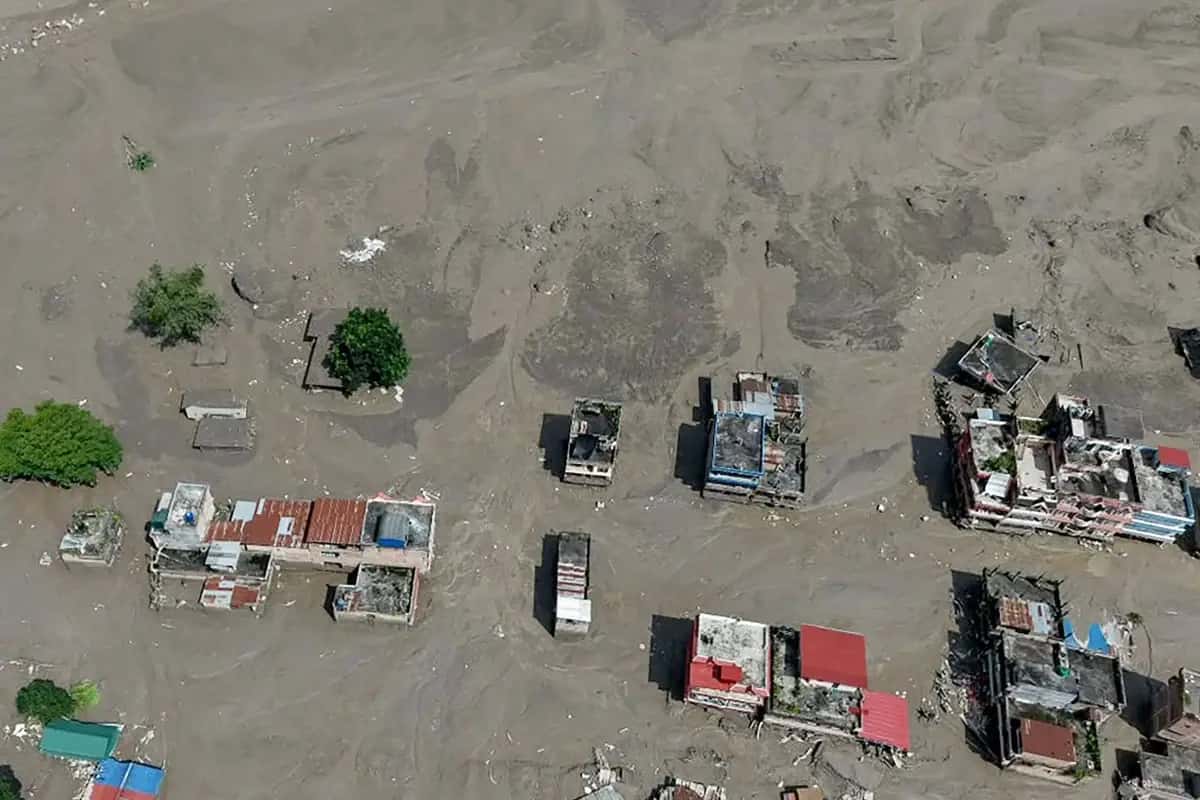
A melting glacier just erased Nepal's escape route from India
A glacier collapse near the Nepal-Tibet border on August 26, 2026 triggered flash floods that have killed at least 390 people, with more than 1,500 still missing across Nepal and the Tibet Autonomous Region. The most important part: floodwaters wiped out Gyirong Port, the border crossing that handled nearly a third of all China-Nepal trade, worth roughly $600 million a year. Chinese Premier Li Qiang personally visited the disaster site. The death toll keeps climbing, but the quieter casualty is a decade-long Nepali plan that just washed away with it.
31 August 2026 · 4 min read
Geopolitics
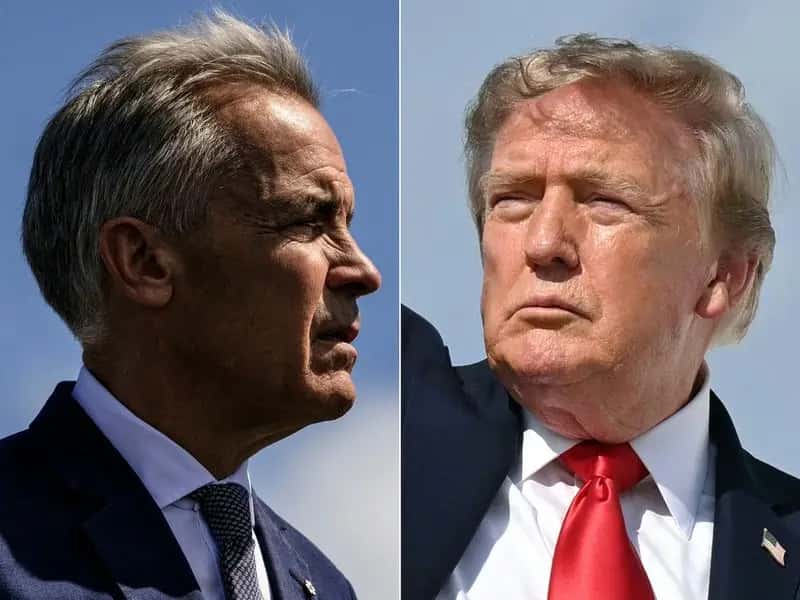
Canada just matched Trump's tariffs dollar for dollar, and it's not backing down
Canada will hit the United States with retaliatory tariffs of up to 50% on nearly 700 products starting September 8, 2026, doubling its existing steel and aluminum tariffs to match new US duties. The move answers President Donald Trump's 50% tariffs on $20 billion of Canadian goods, including wine, dairy, furniture, and cement, that took effect August 22. Prime Minister Mark Carney says Canada will match Washington "dollar for dollar." Talks reportedly collapsed partly over US demands touching Quebec's language and culture. Two of the world's most integrated trading partners are now taxing each other like rivals.
28 August 2026 · 3 min read