India Macro
Modi, Xi, and Putin shared a stage today. What they didn't share matters more
By Ashish Kumar · 1 September 2026 · 3 min read
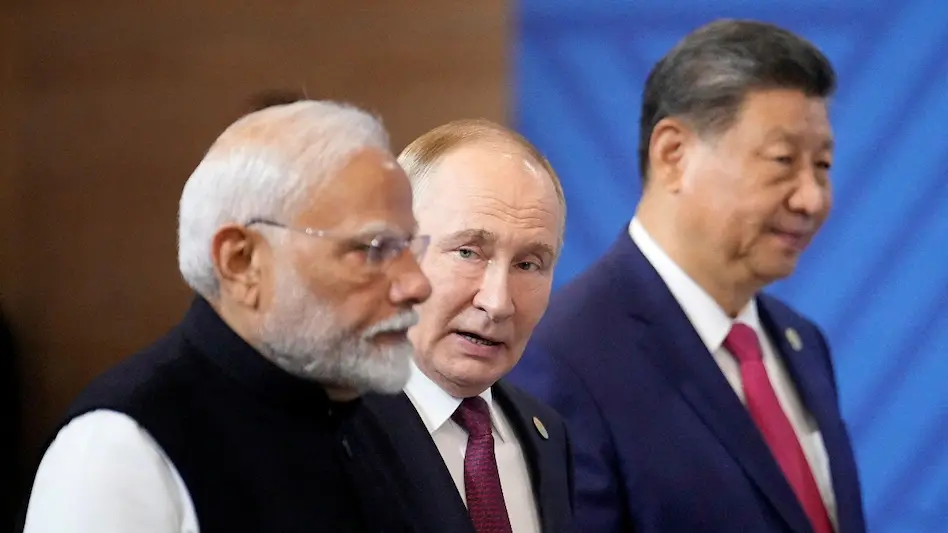
Three leaders who don't fully trust each other are standing on the same stage this week. What they say to the cameras is the least interesting part.
The 26th Shanghai Cooperation Organisation Summit opened in Bishkek on August 31, 2026, bringing together Prime Minister Narendra Modi, Chinese President Xi Jinping, and Russian President Vladimir Putin for a two-day gathering that also includes Iranian President Masoud Pezeshkian, Pakistani Prime Minister Shehbaz Sharif, Turkish President Recep Tayyip Erdogan, and other leaders from the bloc. On paper, the agenda covers regional security, counter-terrorism, trade, energy, transport connectivity, and digital cooperation, alongside discussion of the wars in Ukraine and West Asia. In practice, the summit's real significance lies less in what gets said in the joint sessions and more in the choreography of who meets whom, and for how long, on the sidelines.
What's confirmed.
Modi is scheduled to meet Putin bilaterally during the summit, continuing a warming India-Russia relationship that has held steady through years of Western pressure on Delhi to distance itself from Moscow. The two leaders last met at the September 2025 SCO summit in Tianjin, China, where they were photographed sharing a warm interaction and traveling together in Putin's car, a level of informality that stood out even by the standards of summit diplomacy.
What's unconfirmed, and why that's the story.
No bilateral meeting between Modi and Xi has been officially scheduled, even though both leaders will share the same stage for two days. That absence carries weight given the backdrop: India and China are still working through the aftermath of the 2020 Galwan Valley clash, the most serious military confrontation between the two countries in decades, and formal high-level contact between them has been slow and deliberate ever since. Xi is expected to hold bilateral meetings with several other SCO leaders during his time in Bishkek. Whether one with Modi materializes, even informally on the margins, is the detail worth watching more closely than any joint communique the summit produces.
Modi said he intends to use the summit to "advance India's vision for the region, focusing on security, connectivity and opportunity," and called for "a region free from terrorism, separatism and extremism."
The non-obvious part.
Summits like this tend to get covered as if the joint statement is the product. It rarely is. The actual output of an SCO summit is a set of signals, who sat next to whom, whose bilateral got scheduled and whose didn't, delivered to domestic and international audiences who read body language and seating charts as carefully as text. India attending a summit alongside China, Russia, Iran, Pakistan, and Turkey, all at once, while a US-Iran conflict is actively escalating and Russia remains under heavy Western sanctions over Ukraine, is itself a statement about how many directions India is trying to keep open simultaneously, without fully committing to any single bloc.
The honest catch.
It's possible a Modi-Xi interaction happens informally, on the margins, without ever becoming a formally announced bilateral, in which case reading too much into today's absence of a confirmed meeting would be premature. Summit schedules also shift constantly in the final 24 to 48 hours before and during the event. This is a snapshot of where things stand as the summit opens, not a final verdict on what actually happened between the two leaders.
The photograph from this summit will show three leaders standing together. The more accurate photograph would show the empty space between two of them, and how long it stays empty.
Sources
Watch on Qrio
One-minute reels on this and related topics.

More india macro stories
India Macro
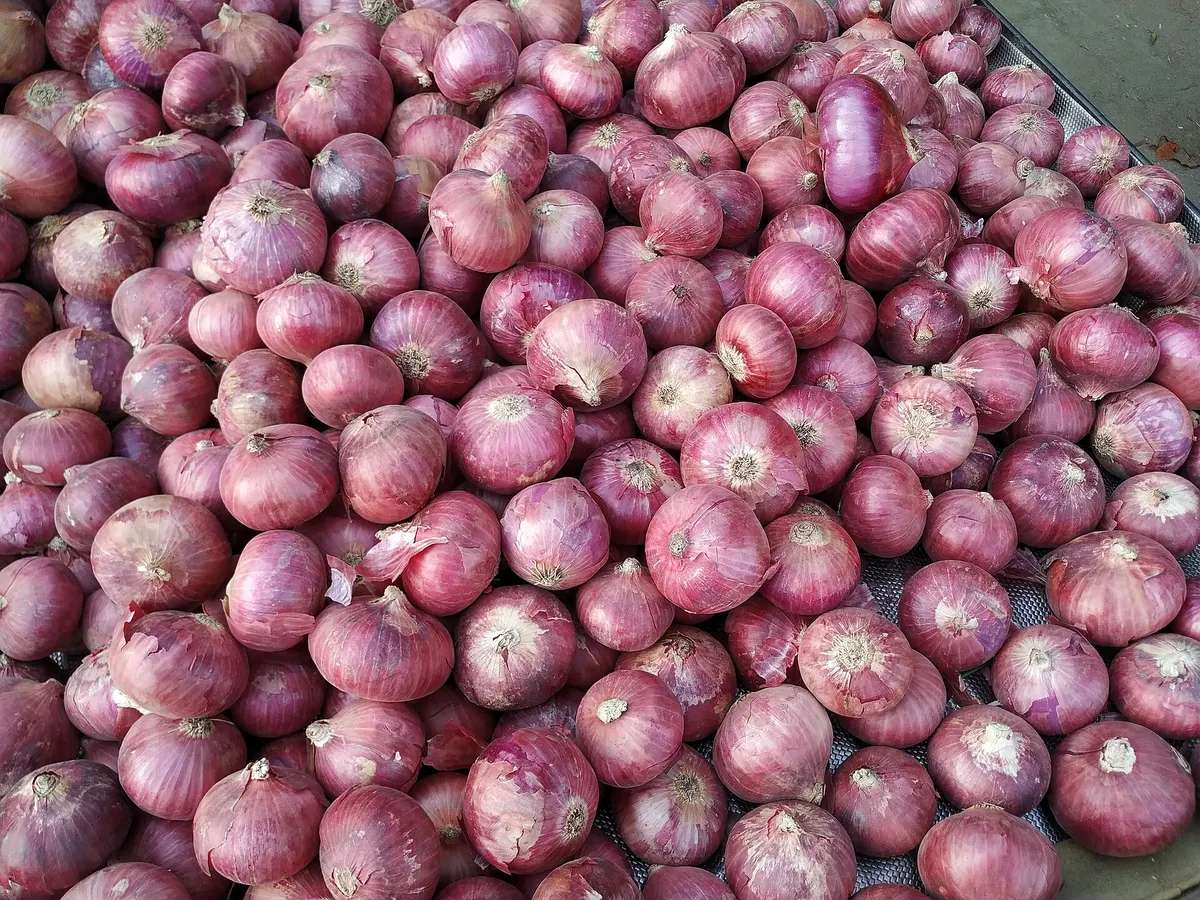
Onions doubled in a year and your EMI just went up. Four myths about India's inflation jump
India's retail inflation rose to 5.54% in September 2026, its highest in almost two years, driven by food. Onion prices were up 108% from a year earlier. In October the RBI raised its repo rate by 0.25 points to 5.50%, its first hike since 2023, and said rate cuts are off the table for now. Several banks raised their repo-linked loan rates by the same 0.25 points from October 8. October's inflation number comes out on November 12 and ICRA expects it to cross 6%, the top of the RBI's comfort band. Here are four common assumptions about all this, and what the official data actually says.
7 November 2026 · 6 min read
India Macro
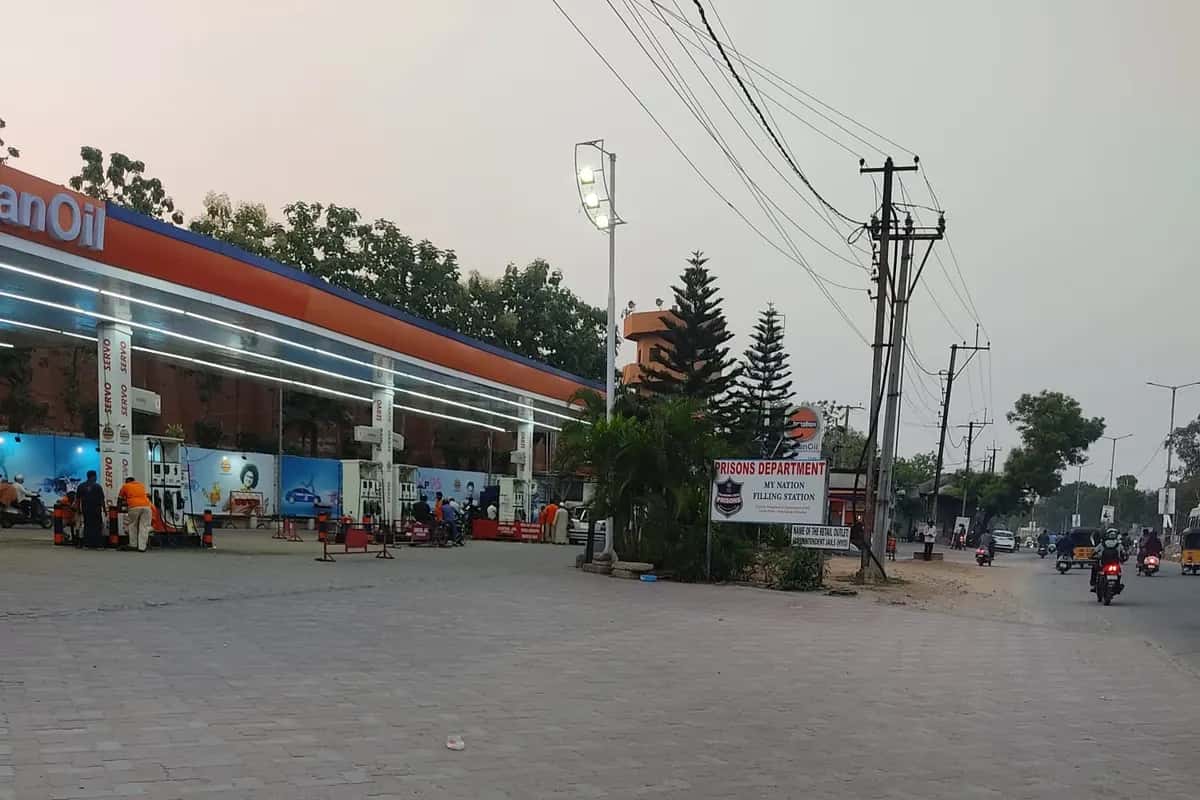
Crude is at $113. Your petrol price has not moved. Someone is paying the difference
Brent crude is around $113 a barrel, close to its highest in four years and about 76% higher than a year ago. Yet petrol in Delhi still costs ₹102.12 a litre and diesel ₹95.20, unchanged for weeks. That gap does not disappear. In September, state-run oil companies were losing about ₹8 on every litre of petrol and ₹9 on every litre of diesel they sold, roughly ₹530 crore a day, and the government gave up ₹10 a litre in tax in March to soften the blow. Here is who is paying for your full tank, and how long that can last.
29 October 2026 · 5 min read