Preview: the first 30 seconds of 2:51. The full reel is free on Qrio.
Finance
How Berkshire Hathaway really makes money
A 2:51 reel by Dulma 🦋, a creator on Qrio
Berkshire's success is not only Warren Buffett's stock picking. How insurance float powers the conglomerate.
Watch the full reel free on Qrio
Reels that make you smarter: business, startups, tech and the world, one minute at a time. Free on Android.
Download Android app
Transcript
Most people think Berkshire Hathaway's success is from the genius stockpicking of Warren Buffett, but that's only part of the story. Welcome back to Money Machines, where we break down how big money makes money. So Berkshire Hathaway is not your typical business. It's a holding company, which means it owns other companies, and it's a conglomerate, which means a lot of those businesses are not related. It's also decentralized, so these subsidiaries operate more or less autonomously, while headquarters is run by just under 30 people. And it also acts a little bit like a fund, in the sense that a big part of its strategy is investing in a portfolio of stocks. And this whole thing today is valued at over $1 trillion. Not bad for what started as a struggling textile company, but what's the Berkshire formula? It comes down to basically three engines. There's insurance, the businesses it owns, and it's iconic stock portfolio. So insurance is really the secret sauce of Berkshire Hathaway. That's why they own Geico and several other insurance and re-entrance companies, because they provide what's called float. Float is the money that an insurer holds between collecting premiums and paying out claims. Customers, individuals, businesses, even other insurance companies pay premiums up front, and then their claims get paid later. The money held in that gap is called the float. And this can be invested. And right now, Berkshire's float is about $178 billion. And you can make money from insurance in two ways. One is underwriting profit. So if your premiums are greater than your claims plus expenses, then you turn a profit. But you can also earn returns from the float that you invest. And this is the ultimate borrowing hack, because it's stable, low cost, or even zero cost, permanent capital, that you're essentially getting paid to hold if your underwriting is profitable. That brings us to our second engine. So if you have a big pile of cash, then you can use that capital to buy up more businesses. And that's essentially how Berkshire has become this sprawling conglomerate across manufacturing, utilities, railroads, retail, two of its biggest businesses are Biannese's, the major railroad company, but also Berkshire Hathaway Energy. Both of these are like toll boots on the economy. All of these businesses together generate hundreds of billions in revenue. And when they throw off excess cash, that can go back up to the parent company, whose main job is basically capital allocation, deciding whether to deploy that capital into Shirebibax, buying up more businesses, investing, or just holding onto it as cash. Finally, that brings us to the third engine that made the Oracle of Omaha famous, the Stock Portfolio. So Berkshire is known for Buffett's philosophy of value investing, buying great businesses at good prices, businesses that have strong votes that are cash generating machines, like Apple, American Express, Coca-Cola. And then those are held for sometimes decades so they can compound exponentially, thanks to time, and deferred taxes. Their latest 13F filing shows about 300 billion in US stocks in their portfolio. Also, the company is sitting on about 365 billion cash and short-term investments, mostly treasuries, essentially risk-free income, a fortress of reserves for when opportunities arise. This is how this legendary company actually works. And why, its stock has returned on average 19.9%. For almost 60 years, follow me for more breakdowns of business and money.
Transcribed automatically from the video, so small errors are possible.
If you liked this
 ▶ 2:59
Finance
What Wall Street firms actually do
by Dulma 🦋
 ▶ 2:28
Finance
Angels, VCs, hedge funds and family offices explained
by PeterStewieStartup
 ▶ 1:46
Business
Anthropic's IPO filing: a profit and a $66 billion loss
by Finance Explained in 90 Seconds
 ▶ 2:34
Business
Why Rolex has no owner and no shareholders
by yieveberlins
More Finance
 ▶ 0:58
Finance
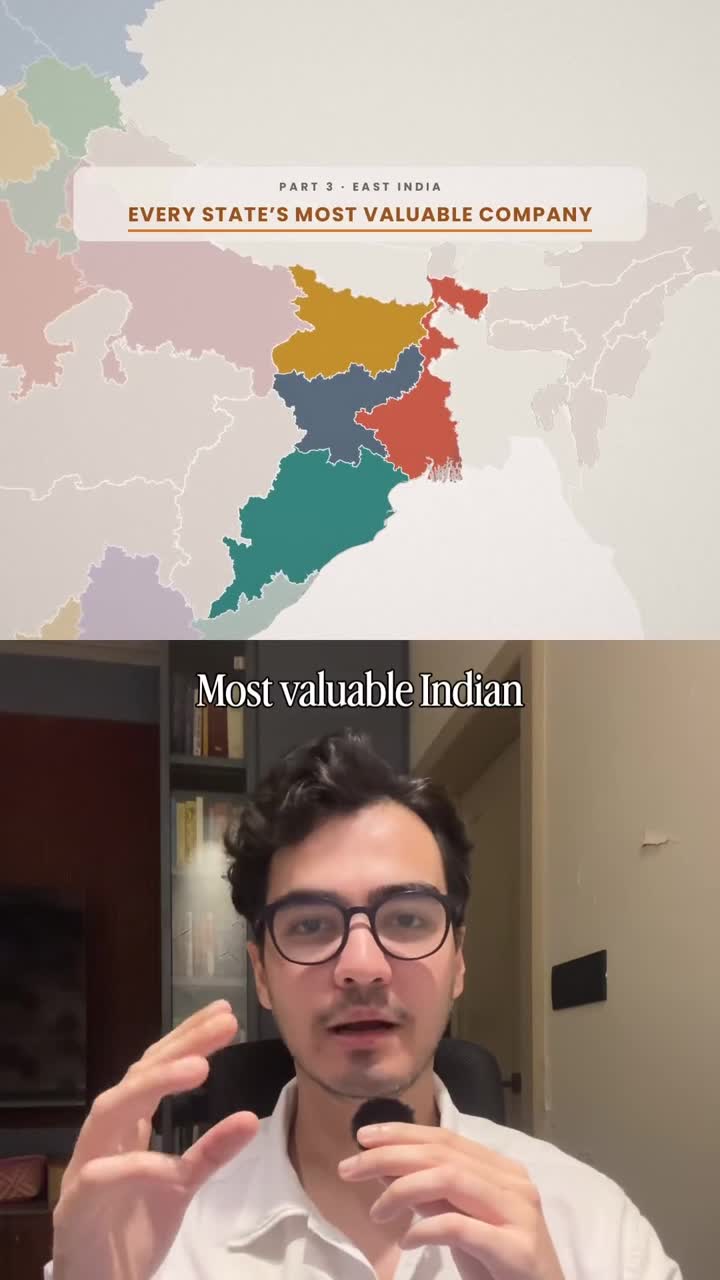
The most valuable company in each state of West and Central India
by abhyudayonmoney
 ▶ 1:43
Finance
Does college really make you richer? Compared to whom?
by gravityassistus
 ▶ 1:29
Finance
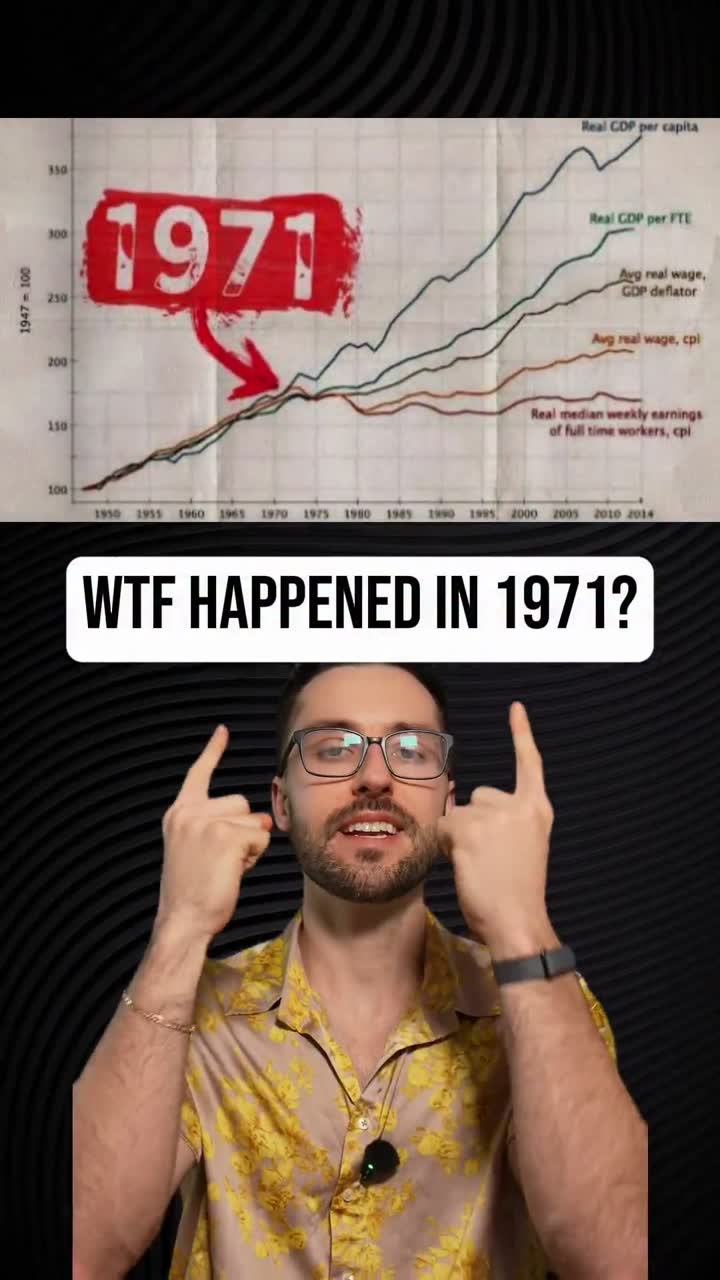
What happened in 1971?
by Jake Explains
 ▶ 1:02
Finance
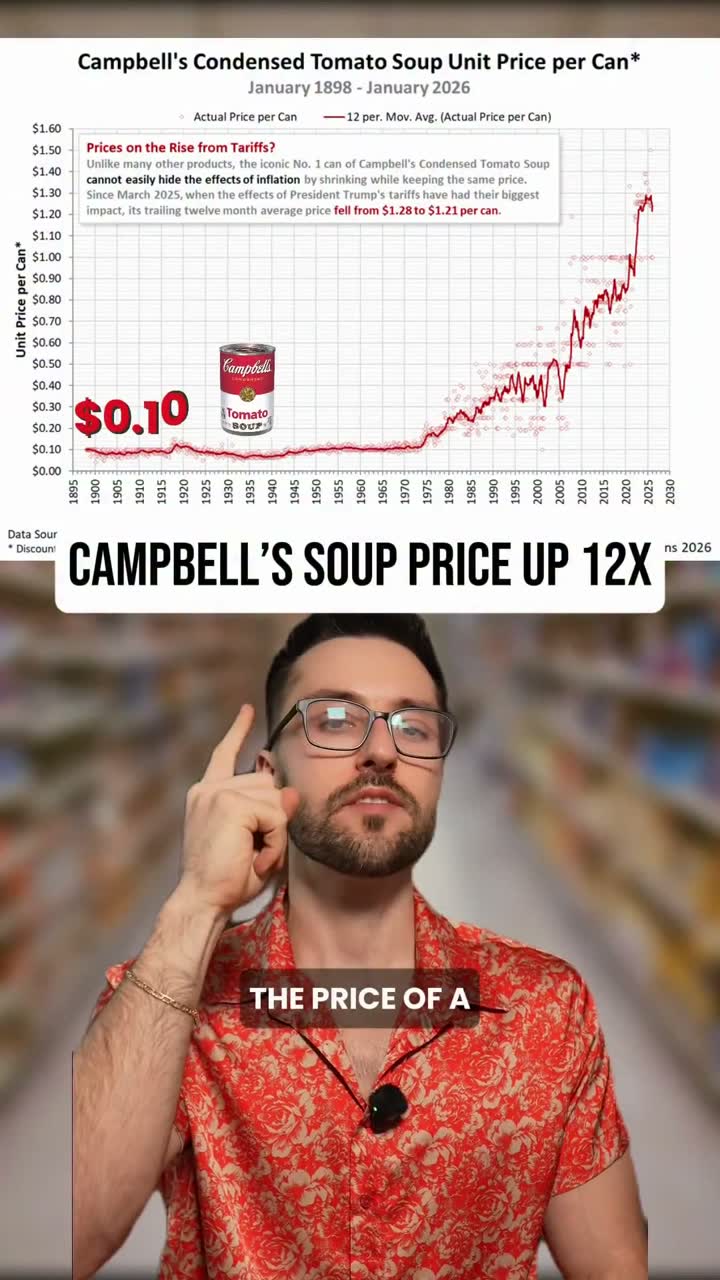
Why a can of Campbell's soup costs so much more now
by Jake Explains