Explained
Why gold smuggling jumped in India after the 15% duty
By Ashish Kumar · Published 11 November 2026 · 8 min read
The short answer: India's unofficial gold inflows, which include smuggling, rose to an estimated 50 tonnes in July to September 2026, up from about 3 tonnes a year earlier. The main reason is the import duty, which the government raised from 6% to 15% in May 2026, making it far more profitable to bring gold in without paying tax.
The estimate comes from the World Gold Council's India report for the third quarter, published on 3 November 2026. This post explains why the duty went up, why smuggling follows duty almost every time, and what it means if you are buying gold this wedding season. It is a news summary written on 11 November 2026, not investment advice, and parts of the story are still developing.
What did the World Gold Council report?
The headline number is about 50 tonnes of unofficial gold in one quarter. That is roughly 17 times the 3 tonnes estimated for the same quarter of 2025, a rise of more than 1,500%, and the highest level since 2023, according to the Free Press Journal and Open magazine. Both credit the figure to the World Gold Council, which uses estimates from the consultancy Metals Focus.
Two words of caution. First, this is an estimate, not the amount customs officers actually seized. Second, "unofficial inflows" is broader than organised smuggling. The Free Press Journal notes it can also include small quantities that travellers carry in without paying duty.
The rest of the quarter, from the same report and cross-checked against JewelBuzz:
| Measure (July to September 2026) | Figure | Change from a year earlier |
|---|---|---|
| Unofficial inflows (estimate) | About 50 tonnes | Up from about 3 tonnes |
| Official imports, including semi-refined doré | 64 tonnes | Down 70% |
| Total Indian demand | 162 tonnes | Down 29% |
| Value of that demand | ₹2,419 billion | Up 3% |
| Jewellery demand | 100 tonnes | Down 20% |
| Bars and coins | 55 tonnes | Down 40% |
| Average domestic price | ₹148,891 per 10 grams | Up 45% |
| Average discount to import parity | US$43 an ounce | Highest quarterly level on record |
Read that table from top to bottom and the story is clear. Indians bought less gold by weight but paid more for it. Official imports collapsed. And a large share of the gold that did come in seems to have skipped the customs counter.
Why did India raise the gold import duty?
The new rate took effect on 13 May 2026. It is made up of a 10% basic customs duty and a 5% Agriculture Infrastructure and Development Cess, according to WION and CNBC. Silver got the same treatment. The legal changes were made through customs notifications 15 to 18 of 2026, as summarised by TaxGuru.
The reason was the rupee. Higher energy costs linked to the Iran conflict had swelled India's import bill, and the rupee had hit record lows, CNBC reported. India pays for almost all its gold in dollars, so every tonne imported adds to the demand for dollars. CNBC put gold and silver at nearly 11% of India's total imports.
The duty came days after Prime Minister Narendra Modi urged people to pause non-essential gold buying for a year, as both CNBC and WION reported. WION described the duty as the moment the appeal became policy.
The World Gold Council called the jump from 6% to 15% "the steepest increase on record" in a May 2026 note by its India research head, Kavita Chacko.
If you want the bigger picture on the currency, our story on how the RBI spends billions a week to defend the rupee covers it.
Why does a higher duty lead to more smuggling?
Because the duty is the smuggler's profit margin. Here is simple arithmetic, not a market quote. On gold worth ₹10 lakh at international prices, a 6% duty adds ₹60,000. A 15% duty adds ₹1.5 lakh. Anyone who can bring that gold in without paying the duty, and sell it at close to the legal local price, pockets most of the gap.
At 6%, the gap was small enough that the risk was rarely worth it. At 15%, it is large again.
The World Gold Council's May note found that this pattern has repeated for more than a decade:
- 2013: Duty was raised in steps to 10%. Unofficial inflows went from around 10 tonnes in the first quarter of 2013 to 70 tonnes by the first quarter of 2014, according to the council.
- 2022: Duty went from 10.75% to 15% in July. Unofficial imports rose from 17 tonnes in the second quarter of 2022 to nearly 50 tonnes by late that year, and stayed high through much of 2023.
- 2024: Duty was cut to 6% in July. Unofficial imports fell almost immediately to near zero.
- 2026: Duty was raised to 15% in May. Unofficial inflows reached about 50 tonnes by the third quarter.
The 2022 and 2024 episodes are also described by Open magazine. The council measured a correlation of 0.52 between duty levels and unofficial imports, excluding the pandemic years. That is a real link, but it is a correlation, and other things such as gold prices and the rupee also move smuggling.
What does this mean for the gold price you pay?
Here is the odd part. You might expect a 15% duty to push local prices far above world prices. Instead, gold in India sold at a discount to "import parity", which is the price of gold legally brought in with all duties paid. That discount averaged US$43 an ounce in the quarter, the highest on record, per the World Gold Council.
The council links that discount to two things: smuggled gold, which did not pay the duty, and old gold being sold back into the market. Open magazine notes that this squeezes honest importers, who paid the full duty and now compete with cheaper untaxed metal.
For buyers, it means two things:
- Prices are still high. The average domestic price was up 45% from a year earlier, mostly because world gold prices rose, the rupee weakened and the duty went up.
- A deal can be a warning sign. If a seller offers gold well below the going rate and cannot explain why, the gold may not have paid duty, or may not be the purity claimed.
How can you protect yourself when buying gold?
Open magazine's checklist, matched against official rules from the Bureau of Indian Standards, is a good place to start:
- Check the HUID. Hallmarked gold jewellery carries a six-character alphanumeric code called the Hallmark Unique Identification, or HUID. Enter it under "Verify HUID" in the free BIS Care app to confirm the piece is genuine.
- Get a proper invoice. It should show what the item is, the net weight of gold and its purity.
- Do not let the hallmark do all the work. A valid hallmark confirms purity. It does not explain an unusually low price or replace a proper bill.
What about gold ETFs and mutual funds?
The squeeze has reached paper gold too. In mid-October, mutual fund houses temporarily stopped taking fresh money into gold fund-of-funds, the World Gold Council reported. The council says the move was "likely aimed at curbing gold imports".
Existing SIPs and direct purchases of gold ETFs were not affected. Fund-of-funds hold about a third of Indian gold ETF assets, so the council expects a limited but real effect on new inflows. Indian gold ETFs still added 5.3 tonnes in the quarter, up from 3.6 tonnes in the previous one. Before you act on any of this, check the latest notice from your fund house, since the pause is described as temporary.
If you want to know where gold's price rally came from in the first place, our story on gold's best month in years and the central banks buying it explains it.
Will the duty come down again?
Nobody knows yet, and there has been no official signal. History suggests that when the duty falls, smuggling falls quickly, as it did in 2024. But the government's reason for raising it, the pressure on the rupee from a costly import bill, has not gone away.
For the next three months, the World Gold Council expects festive and wedding buying to support demand. It also expects high prices and a weak rural economy after a poor monsoon to hold volumes back.
Things worth watching:
- Monthly trade data for official gold imports.
- The rupee and oil prices, which drive the case for keeping the duty high.
- The World Gold Council's next India report, covering October to December.
- Whether mutual funds reopen gold fund-of-funds.
The duty also links to your loans in a roundabout way: a weaker rupee feeds inflation, and inflation feeds interest rates. Our guide on what the repo rate is and how it changes your EMI walks through that chain. And if you want to keep up with stories like this without drowning in headlines, see the best ways to follow Indian business news and how to read a company's quarterly results.
Sources
- World Gold Council, Gold Demand Trends: India Focus Q3 2026, 3 November 2026
- World Gold Council, Gold Demand Trends Q3 2026: Investment
- World Gold Council, India gold market update: Import tightening, 22 May 2026
- Open magazine, India's unofficial gold imports jumped to 50 tonnes: seven things to know, 3 November 2026
- Free Press Journal, India's illegal gold imports surge over 1,500% to 50 tonnes, 3 November 2026
- JewelBuzz, WGC report: India Gold Demand Trends, Q3 2026, 3 November 2026
- CNBC, India hikes bullion import duties as the rupee declines, 13 May 2026
- WION, Indian government imposes new bullion tariffs, 13 May 2026
- TaxGuru, Customs duty on gold and silver raised to 15%, 14 May 2026
- Bureau of Indian Standards, Hallmarking of gold jewellery and artefacts
Frequently asked questions
How much gold was smuggled into India in 2026?
The World Gold Council estimates unofficial gold inflows of about 50 tonnes in July to September 2026, up from about 3 tonnes a year earlier. This is an estimate based on Metals Focus data, not a count of seizures, and it includes small amounts carried in without paying duty.
What is the import duty on gold in India now?
Since 13 May 2026, gold and silver bullion imports attract 15% duty, made up of a 10% basic customs duty and a 5% Agriculture Infrastructure and Development Cess. Before that, the rate was 6%, set in July 2024.
Why did India raise the gold import duty?
To cut gold imports and protect the rupee and the current account. Energy costs had risen sharply and the rupee had hit record lows. The hike came days after Prime Minister Modi asked people to pause non-essential gold buying for a year.
How can I check that the gold jewellery I buy is genuine?
Look for the six-character HUID code on the hallmark and check it in the free BIS Care app using Verify HUID. Ask for a proper invoice showing the item, net weight and purity. Be wary of discounts the seller cannot explain.
Watch on Qrio
One-minute reels on this and related topics.
 ▶ 2:55
Geopolitics
The Strait of Hormuz: 33 km that decide your petrol price
by Qrio
 ▶ 1:34
Business
How a ghee brand turned one KBC moment into an ad people waited for
by Anurag Bansal
 ▶ 1:43
Geopolitics
The US fined India for Russian oil, then bought Russian diesel
by Qrio
 ▶ 2:01
Business
Why China makes luxury goods but has no luxury brands
by Amy | 🇨🇳 Business Insights
More from the blog

Stories worth reading next

Business
IndiGo earned 26% more and still lost ₹1,879 crore. One bill explains it
IndiGo, India's biggest airline, just reported a net loss of ₹1,879 crore for July to September 2026, even though its revenue jumped 25.9% to ₹23,364 crore. Ticket prices per kilometre went up by a third. So where did the money go? Mostly into one line of its accounts: jet fuel, which cost 67% more than a year ago as the conflict in West Asia pushed oil prices up. Here is the money, followed line by line.
29 October 2026 · 5 min read
India Macro
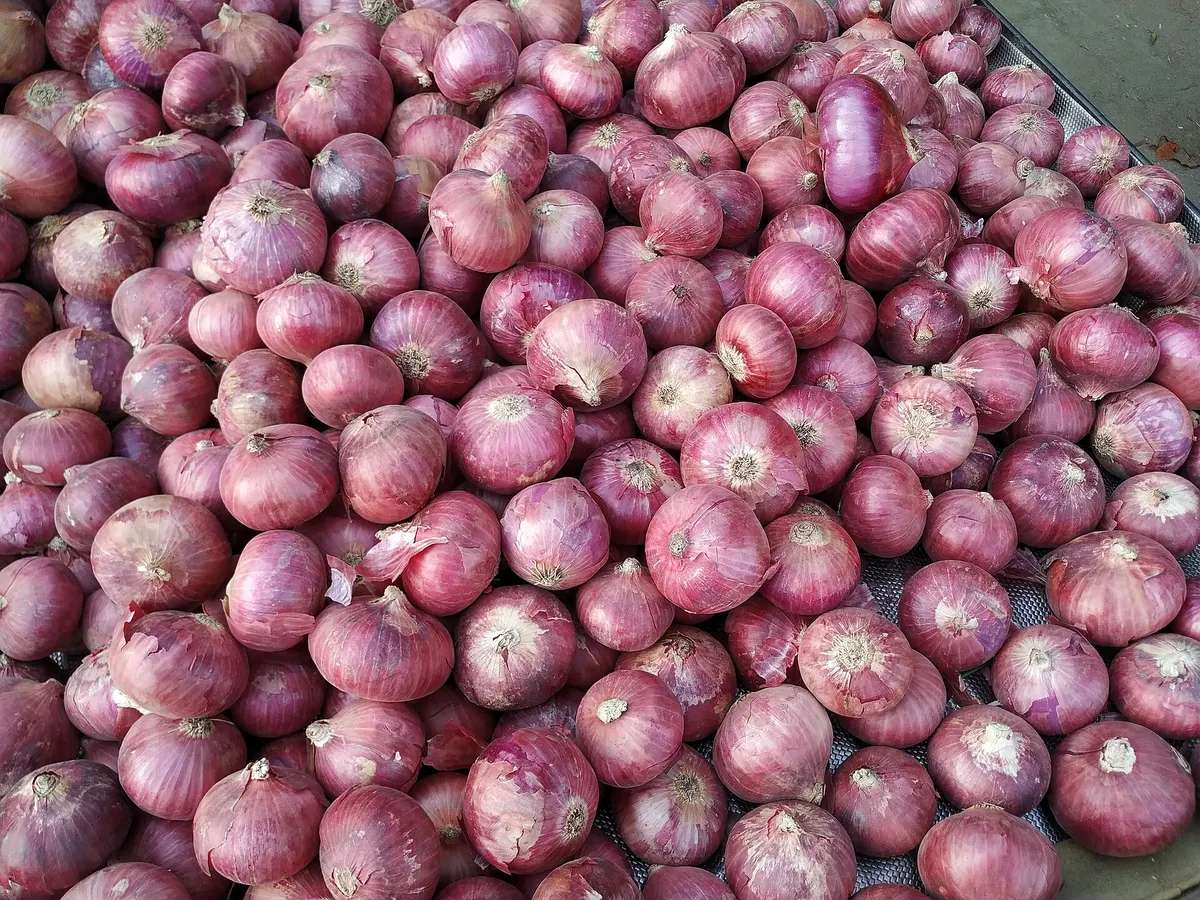
Onions doubled in a year and your EMI just went up. Four myths about India's inflation jump
India's retail inflation rose to 5.54% in September 2026, its highest in almost two years, driven by food. Onion prices were up 108% from a year earlier. In October the RBI raised its repo rate by 0.25 points to 5.50%, its first hike since 2023, and said rate cuts are off the table for now. Several banks raised their repo-linked loan rates by the same 0.25 points from October 8. October's inflation number comes out on November 12 and ICRA expects it to cross 6%, the top of the RBI's comfort band. Here are four common assumptions about all this, and what the official data actually says.
7 November 2026 · 6 min read