Explained
Wholesale inflation hit 12.29%: what it means for you
By Ashish Kumar · Published 18 November 2026 · 8 min read
The short answer: India's wholesale inflation rose to 12.29% in October 2026, up from 11.39% in September, mainly because fuel and power prices were 32.84% higher than a year earlier. It is now about twice the retail inflation rate of 6.09%, and that gap is the part worth understanding, because some of it tends to reach your bills later.
The numbers come from provisional data released on Monday, 16 November 2026, by the Office of the Economic Adviser in the commerce ministry, as reported by The Tribune and ETV Bharat. This post explains what drove the jump, why wholesale and retail inflation are so far apart, and what to watch next. It is a news summary written on 18 November 2026, not financial advice. The October figure is provisional and can be revised.
What exactly did the October WPI data show?
The Wholesale Price Index (WPI) tracks what goods cost at the first point of bulk sale: at the factory gate, the mine or the mandi. The all-commodities index rose to 113.3 in October from 112.5 in September. Compared with October 2025, that works out to 12.29% inflation.
Here are the main groups, from the official release as reported by ETV Bharat, Forbes India and The Policy Edge:
| Group | September 2026 | October 2026 |
|---|---|---|
| All commodities (headline WPI) | 11.39% | 12.29% |
| Fuel and power | 25.85% | 32.84% |
| Crude petroleum and natural gas | 57.32% | 70.80% |
| Mineral oils (petrol, diesel and similar) | 40.02% | 45.57% |
| Electricity | -0.43% | 8.06% |
| Primary articles | 8.67% | 9.24% |
| Food articles | 8.14% | 8.26% |
| Manufactured products | 9.76% | 9.54% |
| WPI Food Index | 8.66% | 8.58% |
A few other numbers stand out. Inside manufacturing, chemicals were up 17.53% and basic metals 17.21%, according to both ETV Bharat and Forbes India. For April to October, wholesale inflation averaged 10.14%, against -0.30% in the same seven months a year earlier. That means prices at the wholesale level have gone from roughly flat to rising by double digits in about a year.
One caution: the October figure was compiled with a weighted response rate of 81.1%, as The Tribune notes, so it can still change. August's provisional number, 9.92%, was later confirmed unchanged.
Why did wholesale inflation jump in October?
Almost all of it was energy. Rahul Agrawal of the ratings agency ICRA told Forbes India that fuel and power accounted for 83 basis points of the 90 basis point rise in the headline number. In plain terms, energy explains more than nine-tenths of the month's increase.
Three things sit behind that:
- Crude oil and gas. Prices of crude petroleum and natural gas at the wholesale level were 70.80% higher than a year earlier. Global oil has been expensive and volatile this year. Our reel on the Strait of Hormuz and your petrol price shows why a narrow strip of water matters so much.
- Refined fuels. Mineral oils, the group that covers refined products such as petrol and diesel sold in bulk, rose 45.57%.
- Electricity. Power prices swung from a small fall in September to an 8.06% rise in October.
Food was not the main story this time. Food articles rose only slightly, and the broader WPI Food Index, which makes up about a quarter of the basket according to The Tribune, actually eased a little. Manufactured goods inflation also dipped slightly, though metals and chemicals remain expensive.
Why is WPI at 12% when retail inflation is only 6%?
This is the question most people have, and it has a fairly simple answer. Retail inflation, measured by the Consumer Price Index (CPI), was 6.09% in October, as both Oneindia and the ministry of statistics reported. We explained that number in detail in what CPI inflation is and how to read India's number. WPI and CPI simply measure different things.
| WPI (wholesale) | CPI (retail) | |
|---|---|---|
| What it tracks | Goods at the first bulk sale | What households pay |
| Includes services like rent, school fees, haircuts | No | Yes |
| Heavy on | Fuel, metals, chemicals, raw materials | Food, housing, everyday spending |
| Published by | Office of the Economic Adviser, commerce ministry | Ministry of Statistics (MoSPI) |
| Used by the RBI as its target | No | Yes |
Three reasons the gap is so wide right now:
- Fuel has a much bigger role in WPI. A barrel of crude feeds straight into the wholesale index. In CPI, fuel is one item among hundreds, next to rent, tuition and vegetables.
- Pump prices have been held steady. Daily reports on 11 and 14 November from HDFC Sky and Asianet Newsable showed no change in petrol and diesel prices at the pump. When crude rises and pump prices do not, state-run oil companies absorb the difference, as our story on who pays the gap when crude rises but petrol does not explains.
- Services slow CPI down. Rent and services make up a large part of what households spend, and those prices do not move with oil.
So a 12% WPI does not mean your monthly spending is up 12%. It means the businesses that make and move things are paying a lot more for their inputs.
Will this reach the prices you pay?
Partly, and usually with a delay. Madan Sabnavis, chief economist at Bank of Baroda, told Forbes India: "This will pressurise companies into increasing their product prices." He added that companies have so far passed on only part of their higher costs, which is why core retail inflation, the measure that strips out food and fuel, could rise in the coming months.
Where you might notice it first:
- Packaged and manufactured goods. Chemicals feed into soaps, detergents, paints and plastics. Metals feed into appliances, cars and construction.
- Delivery and transport. Bulk diesel costs flow into freight, which shows up in the price of almost everything that has to be moved.
- Your EMI, indirectly. If cost pressure pushes retail inflation further above the RBI's 6% upper limit, the case for higher interest rates grows. Our guide on what the repo rate is and how it changes your EMI walks through that chain.
The pass-through is not automatic. If demand is weak, companies may absorb costs and accept thinner margins. If oil keeps falling, some of the pressure fades before it ever reaches shelves.
Is this the peak?
Economists think it might be, but they are not certain. ICRA's Agrawal told Forbes India that he sees October as the peak, with wholesale inflation easing to about 11.6% in November and falling to single digits in January to March 2027, depending on global oil and commodity prices. Note that October came in above ICRA's own estimate of 11.8%, so forecasts here have been running low.
There is one reason for cautious hope. Brent crude traded at around $92 to $93 a barrel on 11 November, according to 5paisa and HDFC Sky, well below the levels of late October. Sabnavis said he expects wholesale inflation to cool if crude stays below $100. Because WPI compares prices with a year earlier, a sustained fall in oil would show up in the index within a few months. If oil spikes again, all of these forecasts move.
What is the "new series" everyone mentions?
You will see October described as the highest reading "in the new series". That refers to a rebuild of the index this year. On 15 June 2026, the commerce ministry launched a revised WPI with 2022-23 as the base year, replacing the old 2011-12 base, as Business Today and the Free Press Journal both reported.
The main changes:
- The basket grew from 697 items to 957.
- Crude petroleum and natural gas moved out of "primary articles" and into the "fuel and power" group, which is one reason fuel and power now dominates the headlines.
- Solar, wind and nuclear electricity are included for the first time, per the Free Press Journal.
- New Producer Price Indices (output, input and services) are now released alongside the WPI. The WPI itself will continue for about five years while users move to the producer price indices.
So "series high" means the highest since June 2026, not the highest ever. Comparing it with older WPI peaks is not quite like for like, because the basket and weights have changed.
What to watch next
- 2 to 4 December 2026: the RBI's next Monetary Policy Committee meeting, according to the RBI's published schedule. The RBI targets CPI, not WPI, but a double-digit wholesale number is part of the backdrop.
- 14 December 2026: November WPI data, due the same day as November CPI.
- Oil prices: the biggest single swing factor for both numbers.
- Pump prices: any revision to petrol and diesel would move some of the wholesale shock into retail inflation quickly.
If you want to keep up with numbers like these without reading the business pages all day, see how to stay informed in 5 minutes a day and the best ways to follow Indian business news. We make Qrio, a free app of short videos on business and the world, and we cover stories like this one there too.
Sources
- The Tribune, Wholesale inflation rises to 12.29% in October on higher fuel, power prices, 16 November 2026
- ETV Bharat, WPI inflation jumps to 12.29% in October on sharp rise in fuel, crude prices, 16 November 2026
- Forbes India, WPI inflation hits series-high 12.29 percent in October as fuel prices surge, November 2026
- The Policy Edge, Wholesale inflation rises to 12.29% in October 2026, November 2026
- Oneindia, WPI inflation rises to 12.29% in October, highest under new series, November 2026
- Business Today, Centre to launch new series of WPI, producer price indices on June 15, 2 June 2026
- Free Press Journal, WPI inflation at 9.68%, govt launches new wholesale price series with 2022-23 base year, 15 June 2026
- Reserve Bank of India, Schedule of Monetary Policy Committee meetings for 2026-27, 23 March 2026
- HDFC Sky, Petrol and diesel prices today, 11 November 2026
- Asianet Newsable, Petrol, diesel prices today, November 14: no change in fuel rates
- 5paisa, Crude oil price today, 11 November 2026
Frequently asked questions
What is India's WPI inflation for October 2026?
12.29%, up from 11.39% in September, according to provisional data released on 16 November 2026 by the Office of the Economic Adviser in the commerce ministry. It is the highest reading since the new WPI series began in June 2026. The November figure is due on 14 December 2026.
Why is WPI inflation so much higher than CPI inflation?
The two indices measure different baskets. WPI tracks goods at the producer and wholesale level and leans heavily on fuel, metals and chemicals. CPI tracks what households pay, including rent and services. Pump prices for petrol and diesel have also been held steady, which keeps some of the fuel shock out of CPI for now.
Does high WPI inflation mean prices in shops will rise?
Often, with a lag. When companies pay more for fuel, metals and chemicals, they tend to pass part of that cost on. Bank of Baroda's chief economist said the October print will push companies to raise product prices. How much reaches you depends on demand and on oil prices from here.
Does the RBI use WPI to set interest rates?
No. The RBI targets CPI inflation, at 4% with a band of 2% to 6%. But WPI is an early signal of cost pressure that can later show up in CPI, so the RBI watches it. Its next policy meeting is on 2 to 4 December 2026.
Watch on Qrio
One-minute reels on this and related topics.
 ▶ 2:59
Finance
What Wall Street firms actually do
by Dulma 🦋
 ▶ 1:20
Business
From $4.15 an hour to running Home Depot
by FOUNDED
 ▶ 1:01
History
Draupadi would not have looked like the TV version
by xplainedindia
 ▶ 1:46
Business
Anthropic's IPO filing: a profit and a $66 billion loss
by Finance Explained in 90 Seconds
More from the blog

Stories worth reading next
India Macro
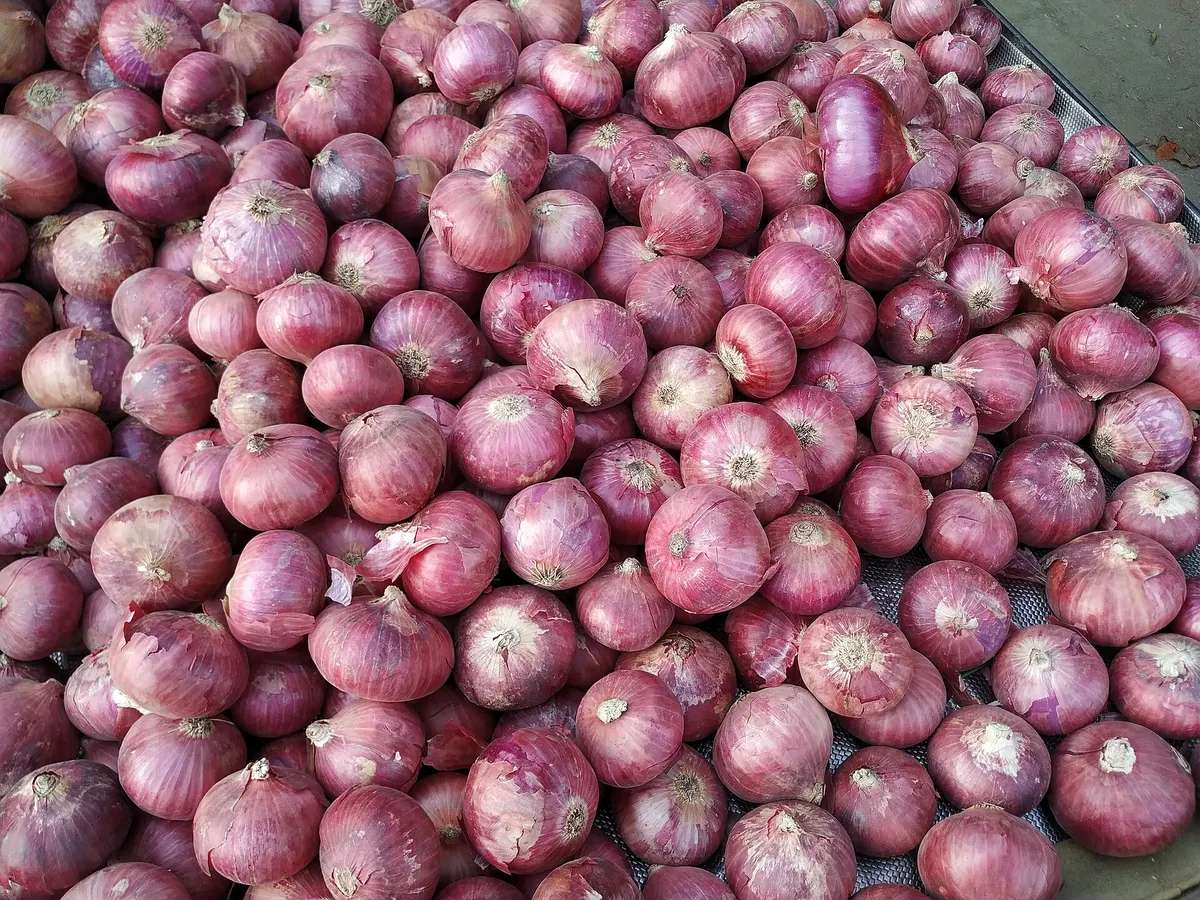
Onions doubled in a year and your EMI just went up. Four myths about India's inflation jump
India's retail inflation rose to 5.54% in September 2026, its highest in almost two years, driven by food. Onion prices were up 108% from a year earlier. In October the RBI raised its repo rate by 0.25 points to 5.50%, its first hike since 2023, and said rate cuts are off the table for now. Several banks raised their repo-linked loan rates by the same 0.25 points from October 8. October's inflation number comes out on November 12 and ICRA expects it to cross 6%, the top of the RBI's comfort band. Here are four common assumptions about all this, and what the official data actually says.
7 November 2026 · 6 min read
Business
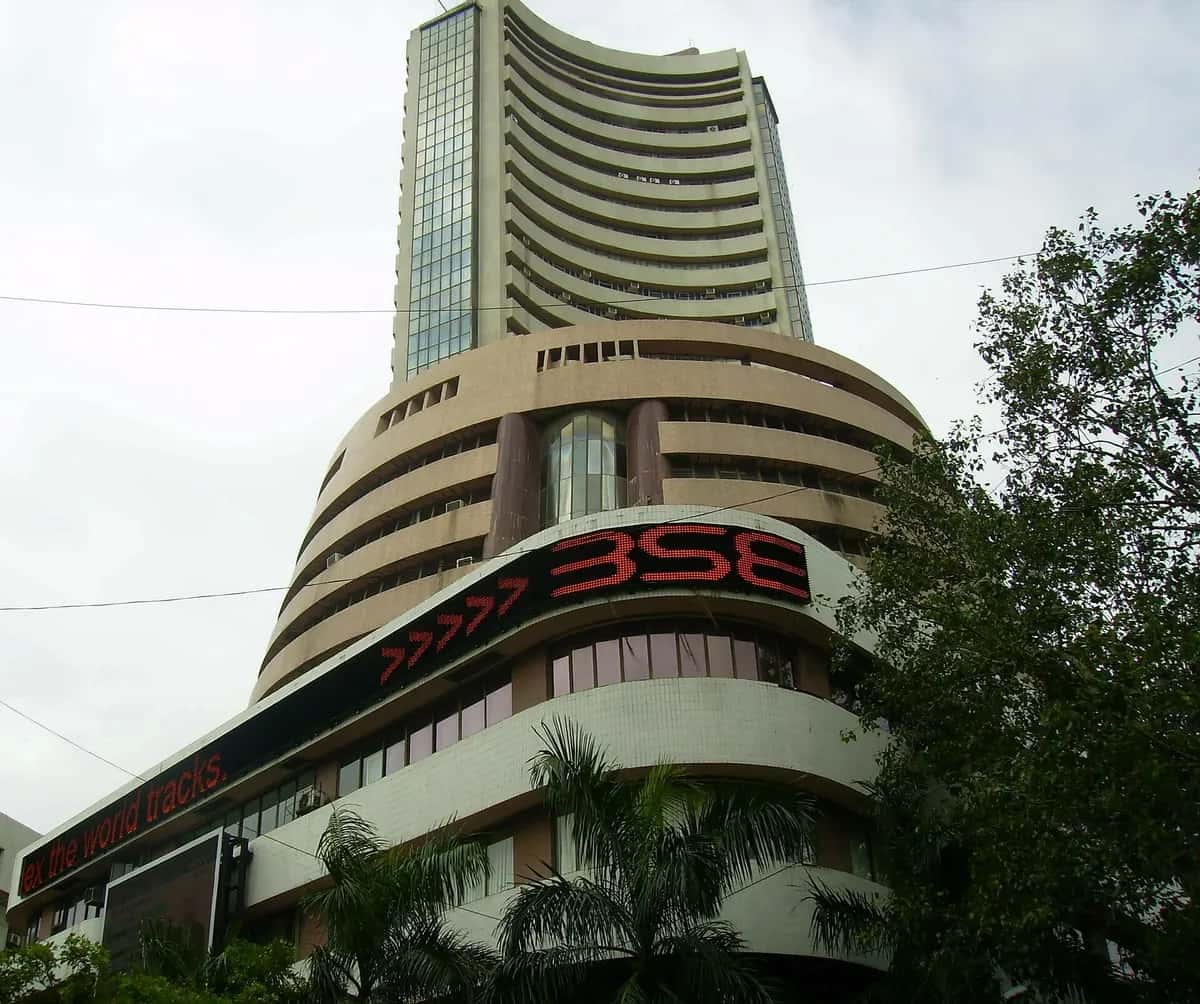
Jio Platforms listed at a 21% premium. Here is what 1.38 crore applicants actually bought
Jio Platforms opened at ₹1,358 on 28 October 2026, 21% above its IPO price of ₹1,119, and closed the day near ₹1,417. It was India's biggest IPO ever at ₹30,213 crore, and more than 1.38 crore people applied. But every rupee raised went to the company, not to early investors like Meta and Google, and most of it is going straight into paying off debt. Five plain questions about what just happened, and what it means if you got shares or missed out.
29 October 2026 · 5 min read