Tech & AI
A court fined Meta $942 million, and the fine is the least important part of the ruling
By Qrio · 10 August 2026 · 4 min read
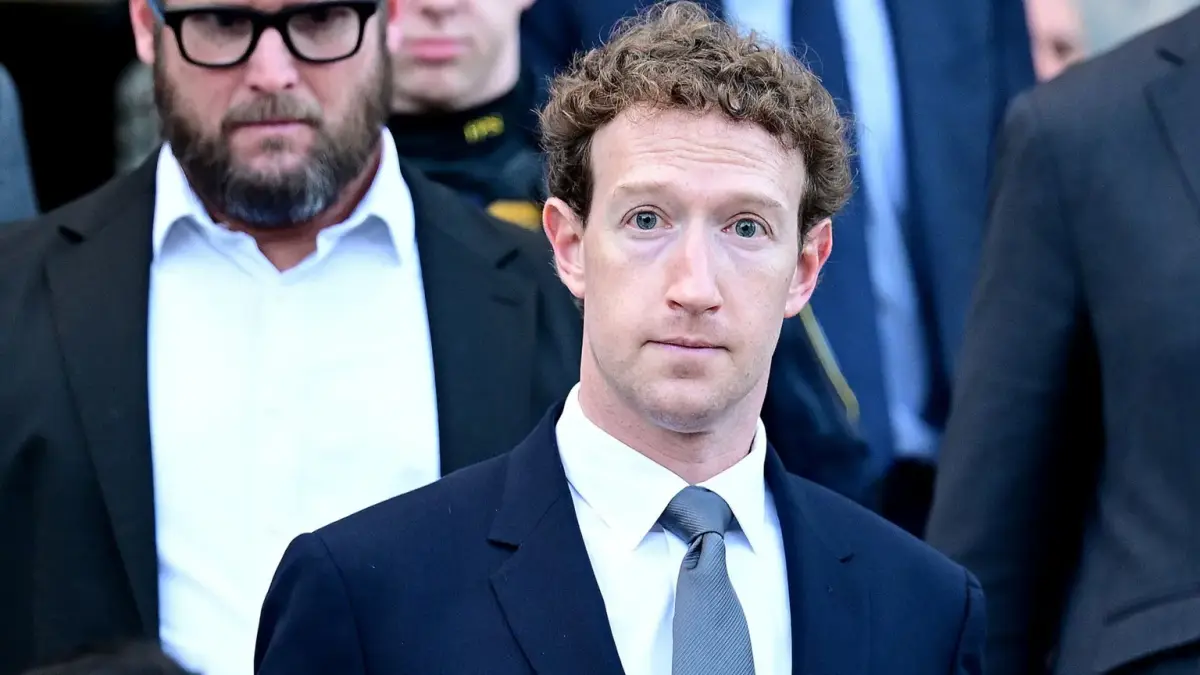
Nearly a billion dollars sounds like a punishment. For a company that made about $60 billion last year, it is a parking ticket. The part of this ruling that should actually worry Meta is written in product specs, not dollars.
A case that started with a fake 13-year-old
The case began in 2023, when New Mexico Attorney General Raul Torrez sued Meta after an undercover investigation in which state officials created a fake social media profile of a 13-year-old girl. What that profile attracted, and what Meta's systems recommended to it, became the backbone of the state's argument that Facebook and Instagram were not just failing to protect children but were actively steering harm toward them. In March 2026, a jury in New Mexico's First Judicial District Court agreed, finding Meta liable for violating the state's consumer protection laws by misleading users about the safety of its platforms. The jury found that Meta had knowingly harmed children's mental health, concealed what it knew about child sexual exploitation on its platforms, and deliberately used features like endless scrolling, autoplay, notifications, and content recommendations to keep teenagers hooked. That verdict came with $375 million in civil penalties.
The second bill arrived in August
On August 7, 2026, Judge Bryan Biedscheid entered the final judgment in the case's second phase, ordering Meta to pay an additional $567 million. Of that, $420 million goes to treatment services for young people, with the remainder funding awareness campaigns, prevention programs, and screening services over the next five years. Combined with the March penalties, Meta's total bill reaches roughly $942 million, the largest child-safety judgment against a social media company in US history.
"Meta executives knew their products harmed children, disregarded warnings from their own employees, and lied to the public about what they knew." Raul Torrez, New Mexico Attorney General
Why the money barely matters
Here is the uncomfortable math: Meta's profit in 2025 was about $60 billion. A $942 million judgment is roughly 1.5% of a single year's profit, the corporate equivalent of a speeding fine for someone earning a comfortable salary. If the story ended with the dollar figure, Meta's lawyers could file this under cost of doing business and move on. Financial penalties of this size have never changed how large platforms operate, because the engagement those platforms are accused of over-optimizing is worth far more than the fines.
The part with no precedent
What makes this ruling different is what the court ordered Meta to change, not what it ordered Meta to pay. For users under 18 in New Mexico, Meta must now hide visible like counts unless a parent or guardian approves showing them, suspend all push notifications between 10 pm and 7 am, and cap monthly usage at 90 hours, which works out to roughly three hours a day. Read that list again: a judge has specified, feature by feature, how a social media product must work for minors. Like counts, notification schedules, and screen-time ceilings are exactly the engagement machinery the jury found Meta used deliberately to keep teens on its apps. The court did not just fine the behavior. It ordered the machinery partially dismantled, at least in one state.
A useful parallel
For decades, US regulators fined carmakers for safety failures, and carmakers paid and moved on. What actually changed the industry was not fines but mandates: seatbelts, crumple zones, airbags, features the law required to be built into the product itself. The New Mexico ruling is the first time a US court has treated social media the same way, moving from "pay for the harm" to "change the machine that causes it." Fines are negotiable line items. Design mandates are not.
The honest catch
Meta is appealing, and appeals courts have overturned large judgments against tech companies before, so neither the money nor the design mandates are final. Spokesperson Andy Stone said the company works "hard to keep people safe on our platforms" and has "been transparent about the challenges of identifying and removing bad actors and harmful content." There is also a real practical question: the design changes apply only to New Mexico's roughly 2 million residents, and enforcing a usage cap or notification curfew for minors in one state, on platforms built for billions, is technically and legally messy. Meta will likely argue on appeal that a state court dictating product architecture oversteps its authority.
For twenty years, the price of harming users has been a fine that platforms could absorb without blinking. New Mexico just tested a different price: the product itself. Whether that survives appeal will decide which of those two prices the next decade of social media is built around.
More tech & ai stories
Tech & AI
Apple picked an engineer to run the company right when everyone else is picking AI talkers
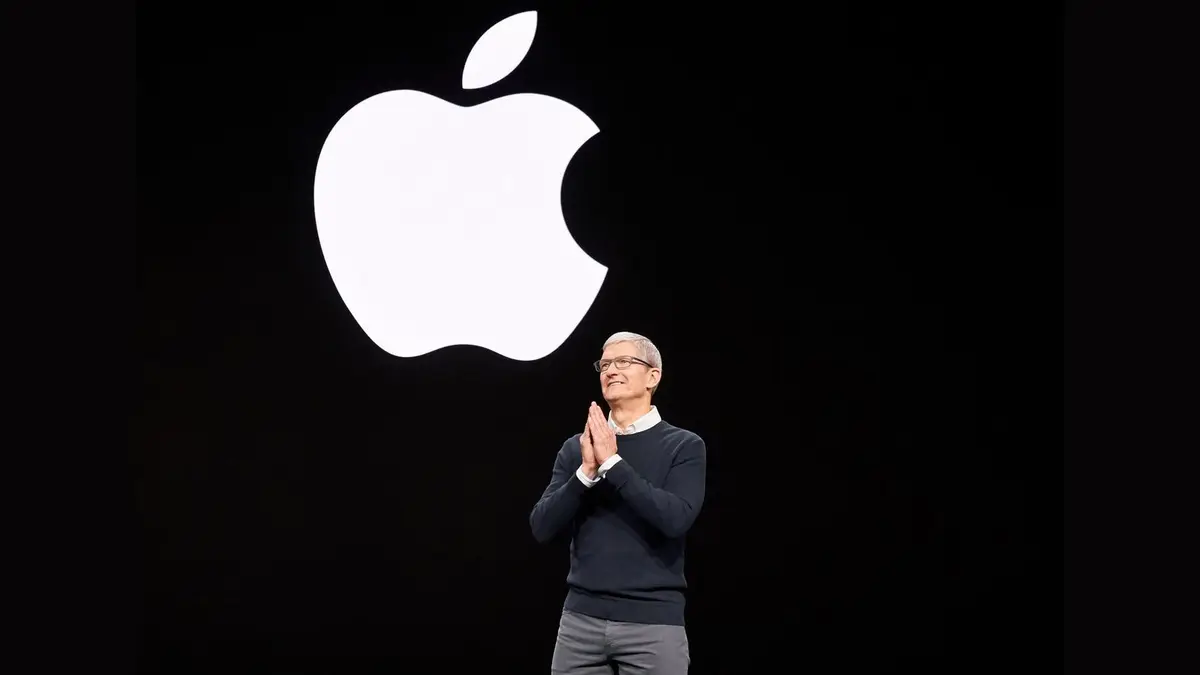
Tim Cook stepped down as Apple's CEO on September 1, 2026, after 15 years in the role, becoming executive chairman. John Ternus, who joined Apple in 2001 and has spent 25 years rising through hardware engineering to senior vice president, is the new CEO. Cook said Ternus "has the mind of an engineer, the soul of an innovator, and the heart to lead with integrity and with honor." Under Cook, Apple became the world's most valuable company multiple times over and launched the Apple Watch, AirPods, and Vision Pro. Reporting on the handover frames Ternus's central mandate in two words: focus on AI.
2 September 2026 · 3 min read
Tech & AI
An AI solved ten decades old math problems for the price of a laptop. Mathematicians still won't call it settled
OpenAI said on August 1, 2026 that an internal version of its next model, Astra, produced verified solutions to ten long unsolved problems in mathematics and computer science, some open for decades, for roughly $2,000 in compute. The proofs were checked by Lean, software that rejects any logical step that doesn't follow, and researchers found zero unproven gaps. Yet mathematicians who track this space call it far from settled: none of the results have been peer reviewed, and a June 2026 declaration signed by over 1,800 mathematicians warns AI-generated proofs threaten how the field verifies and credits its own work.
23 August 2026 · 5 min read