Finance
The Paytm wallet RBI shut in 2024 is coming back, but you cannot top it up yet
By Ashish Kumar · 14 November 2026 · 6 min read
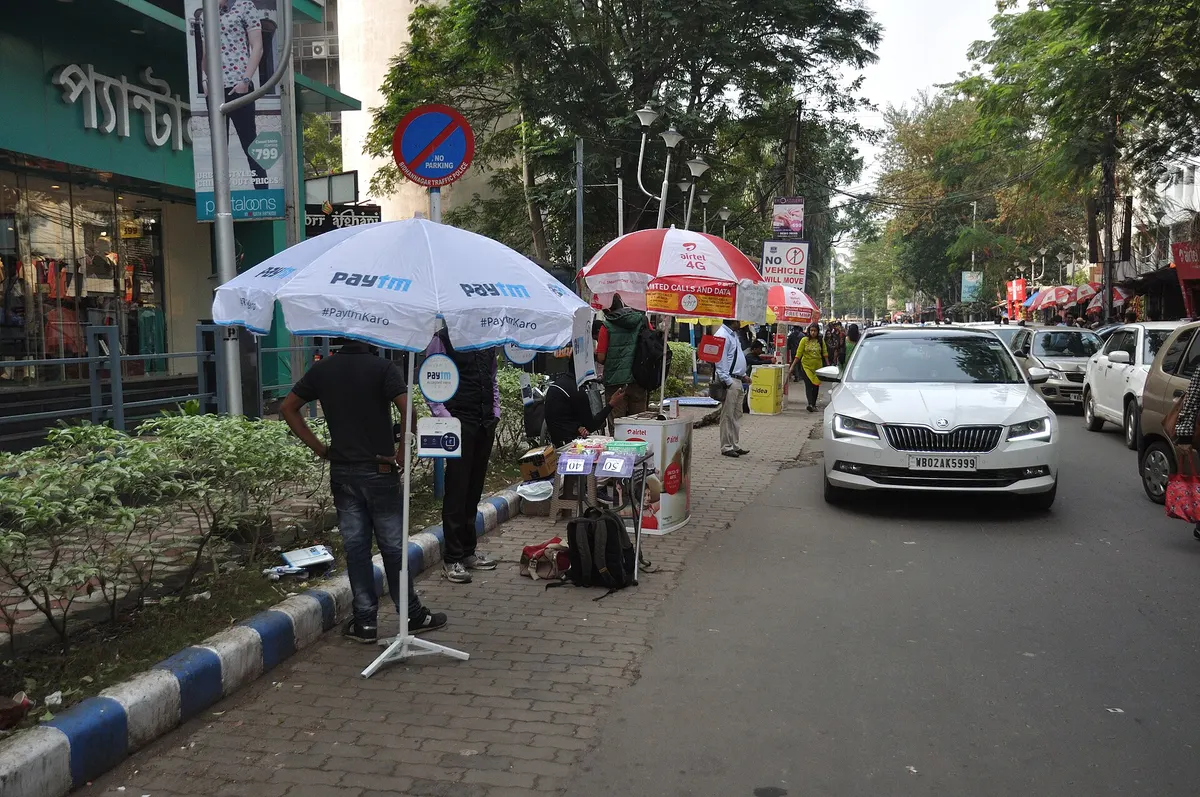
A Paytm promotion stall under a branded umbrella on a street in Salt Lake, Kolkata, in 2017. Photo: Biswarup Ganguly, CC BY 3.0, via Wikimedia Commons, resized.
The RBI said a conditional yes to a new Paytm wallet on Friday, which is good news with a catch: you cannot load a single rupee into it yet.
For years, "Paytm karo" meant one thing: add money to the Paytm wallet, then pay the chaiwala from it. That habit broke in March 2024, when the RBI stopped top-ups on the wallet. On November 13, 2026, the regulator opened a door to bring it back.
The news set off the same few questions everywhere. Here they are, answered one by one.
1. What exactly did the RBI approve?
The RBI gave Paytm Payments Services Ltd (PPSL), a company fully owned by Paytm's parent One 97 Communications, an in-principle authorisation to issue and run prepaid payment instruments, according to the company's exchange filing reported by Inc42 and Free Press Journal. The RBI's letter is dated the same day.
A prepaid payment instrument, or PPI, is anything you load with money first and spend later. A digital wallet is one. So is a metro card or a gift card. Think of it as a digital purse: you fill it from your bank, and you can only spend what is inside.
"In-principle" means the RBI likes the plan but has not signed off on the final product. PPSL applied on December 31, 2025, so this step alone took about ten and a half months.
2. Can I add money to my Paytm wallet today?
No. PPSL cannot issue wallets until it gets a final licence, called a Certificate of Authorisation, as CIOL reported. Until then there are no new wallets and no top-ups.
The Paytm app still works for UPI, which moves money straight from your bank account. That has continued through partner banks since 2024. The wallet is the piece that is missing.
3. Why did the old wallet stop in the first place?
Because it lived inside a bank the RBI stopped trusting. Paytm launched its wallet in 2014 and moved it into Paytm Payments Bank in 2017 to meet the rules, per Free Press Journal. Here is how that ended:
The January 2024 RBI order said customers could still spend or withdraw what was already in their wallets, but nothing new could go in. When the RBI cancelled the licence in April 2026, it said the bank's affairs had been run in a way that hurt the bank and its depositors, and that it had broken its licence conditions. It also said the bank had enough money to repay all its depositors in full. The July court order is as reported by Free Press Journal.
4. So what is different this time?
The address. The new wallet would sit in PPSL, not in a bank. PPSL is a payment company that already holds an RBI licence as a payment aggregator, the middleman that lets online shops accept payments.
That licence followed exactly the same path, and it is the best clue to what comes next. The RBI gave PPSL in-principle approval as an online payment aggregator on August 12, 2025, Outlook Business and TechCrunch reported. The final certificate came on November 26, 2025, per HDFC Sky. That is about three and a half months. If the wallet moves at the same speed, a final licence could arrive around March 2027. That is our own arithmetic, not a promise from Paytm or the RBI.
5. What does Paytm still have to do?
Two things stand out in the conditions reported by Inc42 and Free Press Journal:
- Pass an audit within six months. PPSL must get a system audit, including a cybersecurity audit, done by an approved auditor and send the report to the RBI. If it misses the deadline, the approval lapses automatically.
- Ask before changing owners. Any change in PPSL's shareholding or control needs the RBI's prior approval.
It must also follow the RBI's rules for wallets. Under the 2021 master directions the approval refers to, a wallet opened with only basic details can hold up to ₹10,000 and can only be used to buy things. A wallet with full KYC can hold up to ₹2 lakh and can send money to other people.
6. Why does Paytm want a wallet back when everyone uses UPI?
Not for the fees. Inc42 notes the wallet may not earn much on its own. Its value is habit: a wallet brings people back to the app more often, and every visit is a chance to sell something else, like Paytm Postpaid, personal loans, investments or share trading. On its latest earnings call, management said the wallet and Postpaid could be brought together, without giving a date.
There is also a bigger gap to fill. Most everyday payments now run on UPI, where PhonePe and Google Pay lead, as Startup Fortune points out. In June 2025, Paytm handled 6.9% of UPI transactions, per NPCI data cited by TechCrunch. A wallet is one way to stand out.
The company arrives at this point healthier than in 2024. In July to September 2026, Paytm made a net profit of ₹225 crore on revenue of ₹2,648 crore, up 28% from a year earlier. We compared that with other listed startups in which Indian startups are actually profitable.
7. How did the stock react?
Mildly. Paytm's shares touched a 52-week high of about ₹1,960 on Friday and closed between 0.5% and 1.1% higher, depending on the report, per Inc42 and Startup Fortune. They are still below the ₹2,150 price at which Paytm sold shares in its 2021 IPO.
Paytm is not the only payments company leaning on RBI approvals right now. Razorpay, which runs the same payment aggregator business, is preparing to list; we covered why it is going public for a third less than its 2021 value.
The honest answer for now
If you used the Paytm wallet before 2024, nothing changes for you this week. There is no relaunch date, the audit clock has just started, and the approval can still lapse. What has changed is that the RBI, which shut the old wallet down, has said a new one can exist if Paytm passes the checks. The next sign will be an RBI certificate, not an app update.
This is a news summary, not investment advice.
Sources
Watch on Qrio
One-minute reels on this and related topics.
 ▶ 2:59
Finance
What Wall Street firms actually do
by Dulma 🦋
 ▶ 1:46
Business
Anthropic's IPO filing: a profit and a $66 billion loss
by Finance Explained in 90 Seconds
 ▶ 2:55
Geopolitics
The Strait of Hormuz: 33 km that decide your petrol price
by Qrio
 ▶ 2:26
Business
Nvidia was 30 days from bankruptcy in 1996
by yieveberlins
More finance stories
Finance
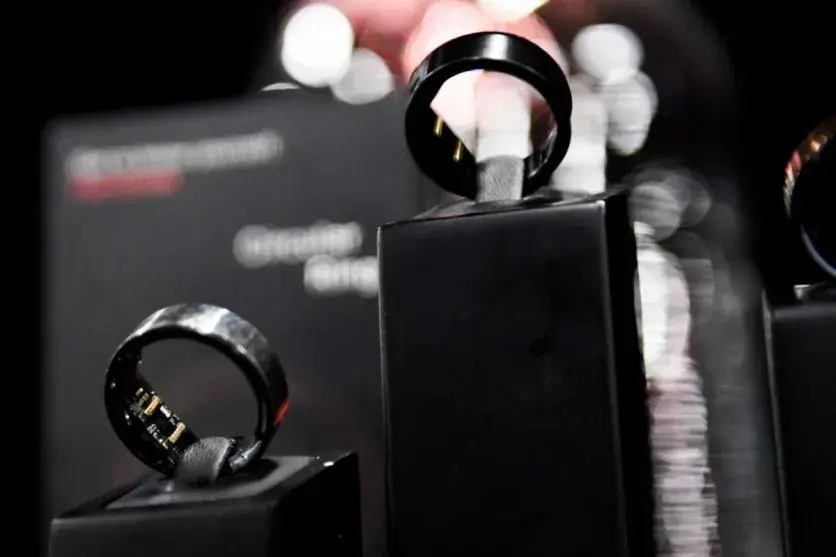
Oura wants $16 billion for a ring, and one number explains why
Oura filed its S-1 publicly on September 3, heading for Nasdaq under the ticker OURA, seeking up to $3 billion at a valuation above $16 billion. That is about 45% more than the roughly $11 billion its late-2025 Series E implied. Revenue for the nine months to June 30 was $1.21 billion, up 74%, and unusually for a hardware company going public, it made money: net income of about $61 million. But the figure that justifies a software-style price tag is buried in the membership data, and it is the reason a ring is not being valued like a gadget.
9 September 2026 · 4 min read
Finance
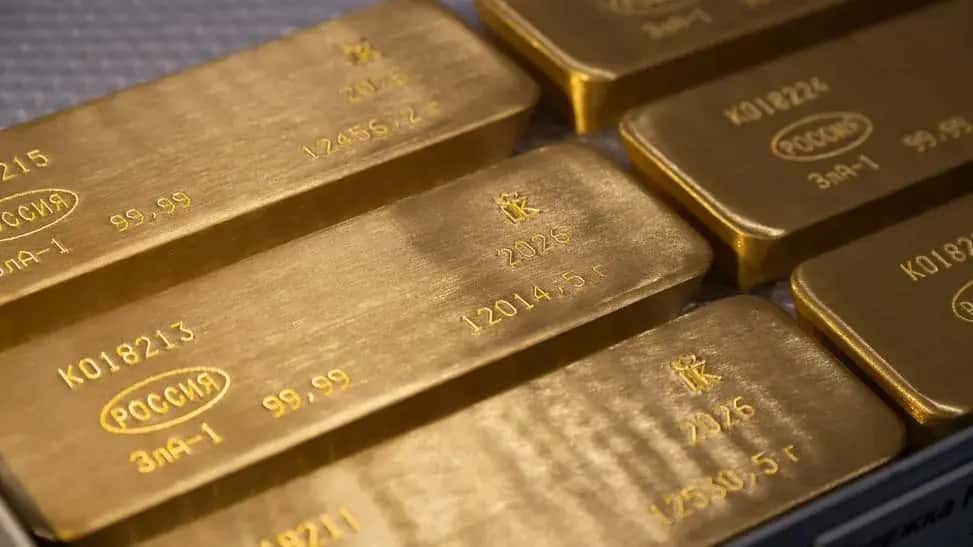
Gold just had its best month in years, and governments are buying more than anyone else
Gold surged from roughly $4,000 an ounce in early August 2026 to $4,633.90, a monthly gain of about 15%, its best run in years, driven by cooling US inflation data, a weakening dollar, and the US national debt crossing $40 trillion. But the more telling number is who's buying: central banks purchased a net 288.9 tonnes of gold in the second quarter of 2026, up 62% from a year earlier and the strongest Q2 on record, according to the World Gold Council, and they kept buying even as prices fell for part of that quarter. UBS commodity analyst Giovanni Staunovo projects gold could reach $5,400 within 12 months.
26 August 2026 · 3 min read