Preview: the first 30 seconds of 1:25. The full reel is free on Qrio.
History
Why people live on Tristan da Cunha, the most remote island
A 1:25 reel by GeoGlobeTales, a creator on Qrio
About 200 people live on Tristan da Cunha, thousands of kilometres from their nearest neighbours. How Napoleon's exile led to it being settled.
Watch the full reel free on Qrio
Reels that make you smarter: business, startups, tech and the world, one minute at a time. Free on Android.
Download Android app
Transcript
If you look in the middle of nowhere and zoom in closer, you'll find Tristan D'Acunia. Just over 200 people live there, and their nearest neighbors are almost 2.5-thousand kilometers away. That means they're alone in an area almost twice the size of Europe. So how did people even end up here? Well, it all started with Napoleon. In 1815, Napoleon lost the Battle of Waterloo and the British exiled him to St. Helena. The following year, they stationed at Garrison on Tristan D'Acunia, fearing that his supporters might use the island as a base to rescue him. About a year later, the British pulled their troops out, but a few people decided to stay. A Scottish corporal, his wife, their two children, and two stone masons. Over time, the couple had more children, and a few sailors joined the community. But there was one problem. Five bachelors and just one married woman. So the men approached the captain of a passing merchant ship. Captain, you see, it's mostly men here, so could you? Oh, sure. I could stay for a few nights. What? I meant bring us some women. And the captain did. He sailed to St. Helena, found five women willing to move, and brought them to Tristan D'Acunia. According to legend, he received a sack of potatoes for each woman. From that point on, the population began to grow, and a few more sailors and shipwreck survivors joined the community. Today, 97% of islanders have one of just seven surnames, and their families have been intermarrying for generations. So let's just not give them any dragons.
Transcribed automatically from the video, so small errors are possible.
If you liked this
 ▶ 2:17
Science
Why there are seashells on top of the Himalayas
by anichebhargav
 ▶ 2:29
Startups
A startup pitch on India's ₹13,300 crore food waste problem
by Elevator Pitch by Masters’ Union
 ▶ 1:29
Finance
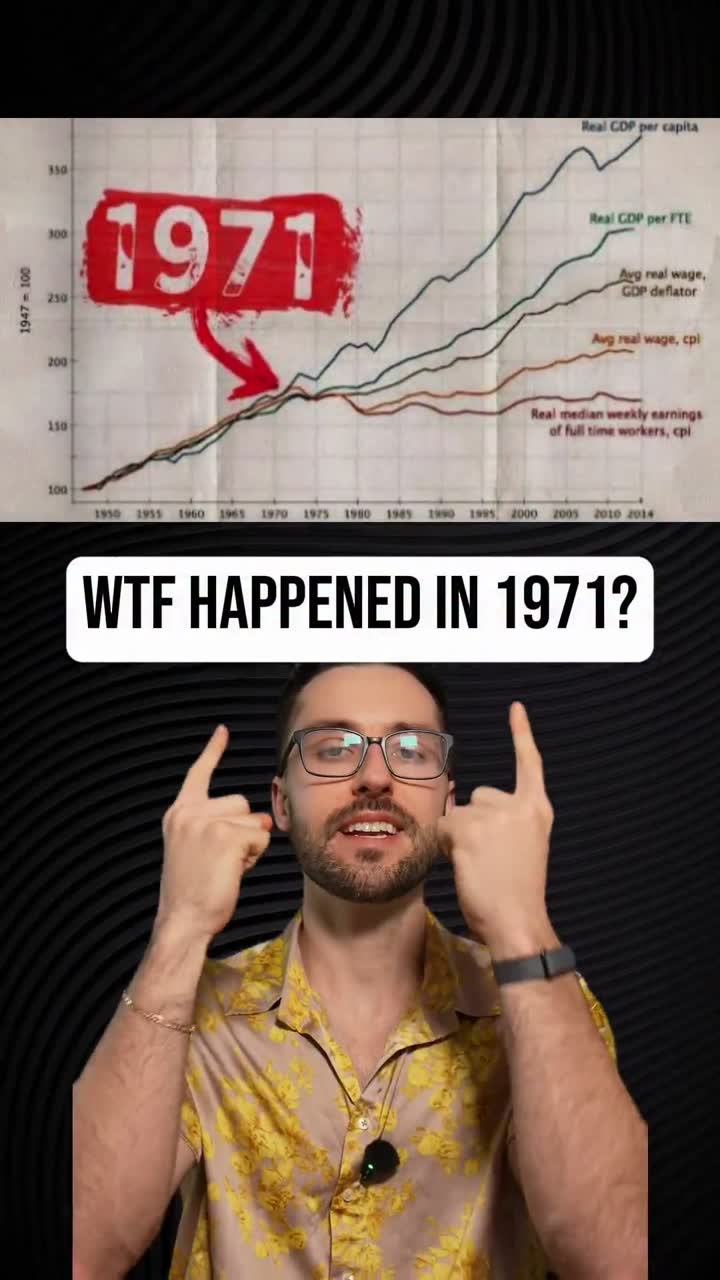
What happened in 1971?
by Jake Explains
 ▶ 1:54
Business
Why people stay in New York even as it makes them broke
by yieveberlins
More History
 ▶ 0:54
History
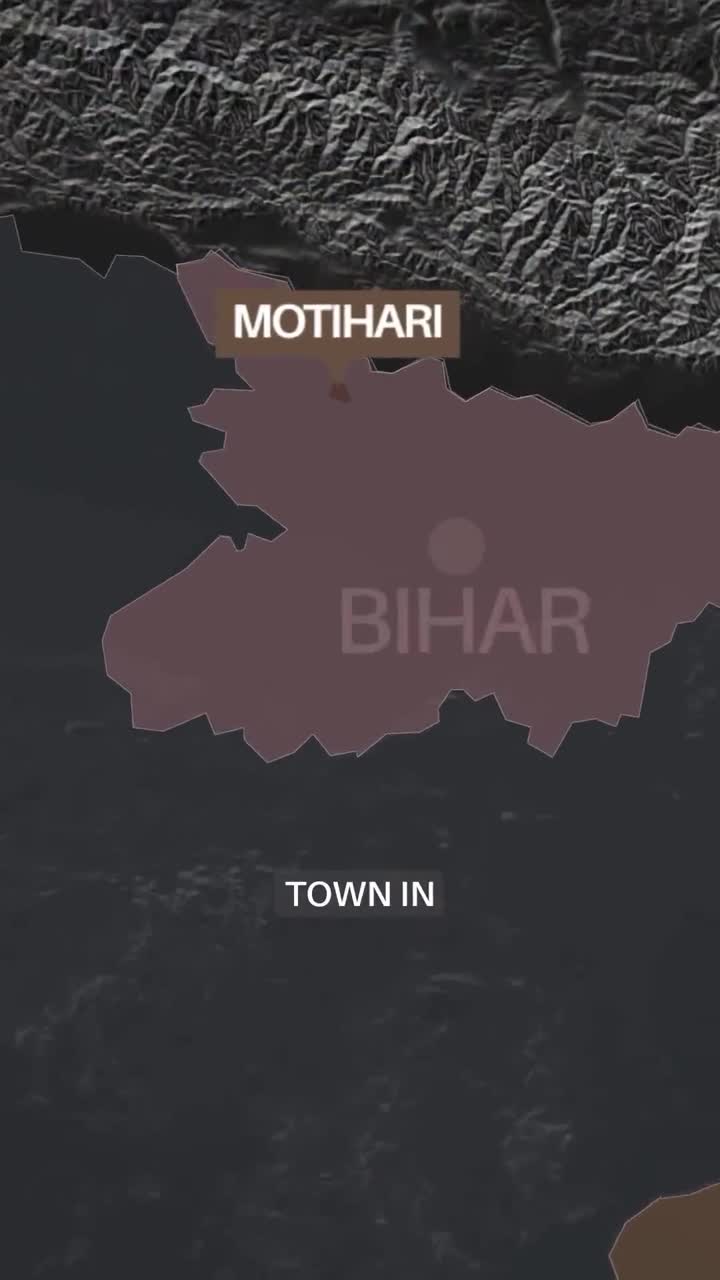
The famous British writer born in a small town in Bihar
by xplainedindia
 ▶ 1:01
History
Draupadi would not have looked like the TV version
by xplainedindia
 ▶ 1:43
History
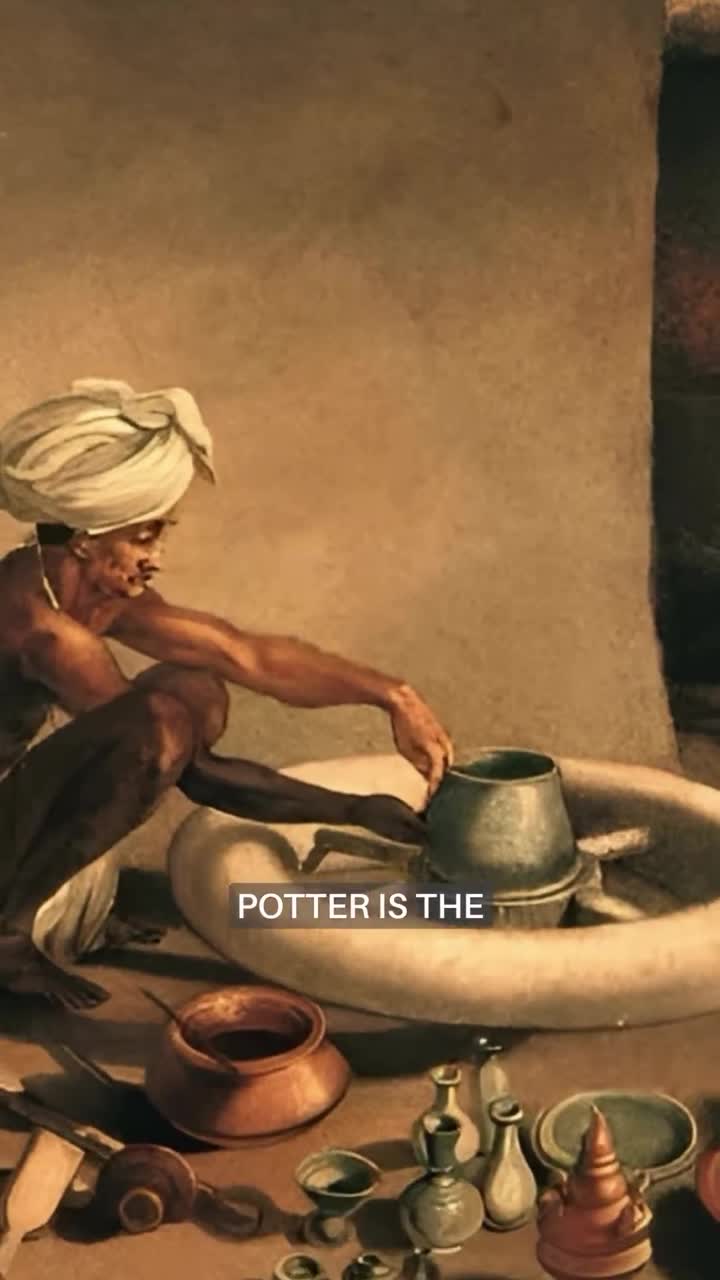
Did modern plastic surgery begin with an Indian potter?
by xplainedindia
 ▶ 1:00
History
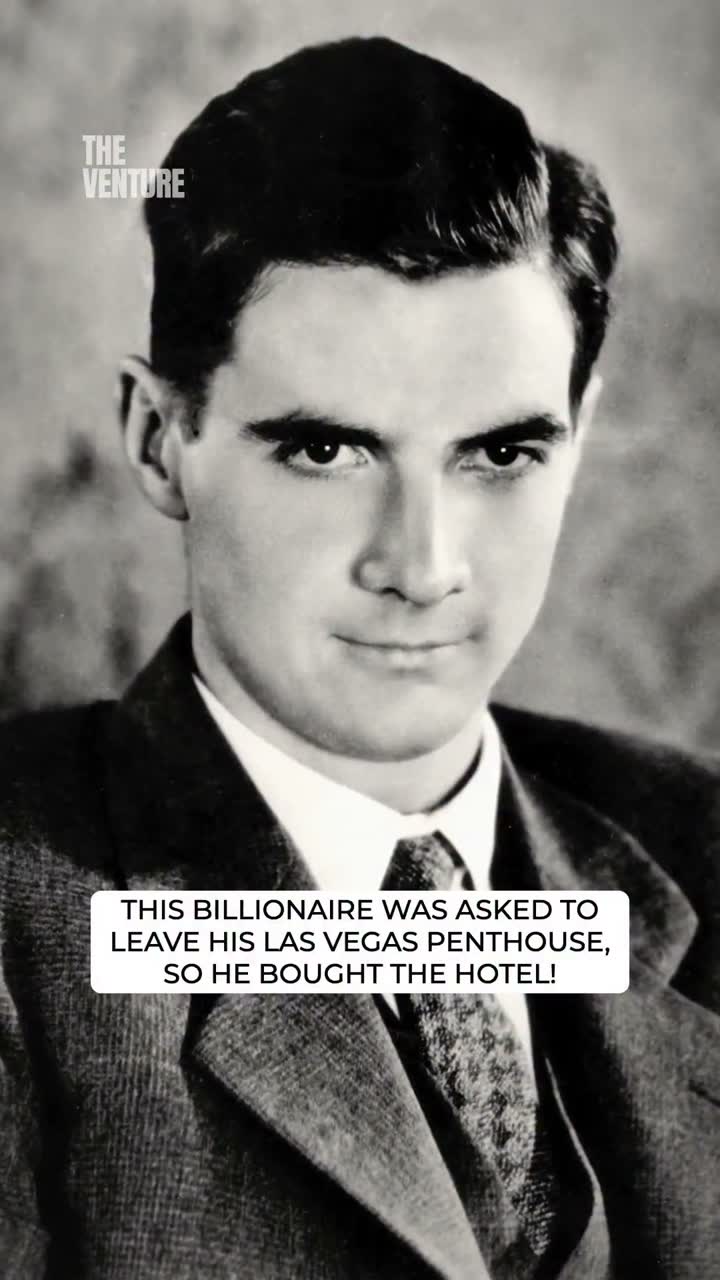
Howard Hughes bought the hotel when asked to leave
by The Venture