Preview: the first 27 seconds of 1:07. The full reel is free on Qrio.
Tech & AI
The $4 billion train station under the World Trade Center
A 1:07 reel by Cal Explains, a creator on Qrio
The most expensive train station ever built was meant as a symbol of hope after 9/11. What it cost and what it says about big projects.
Watch the full reel free on Qrio
Reels that make you smarter: business, startups, tech and the world, one minute at a time. Free on Android.
Download Android app
Transcript
This is the most expensive train station ever built. But what it symbolizes goes far beyond the price. After 9-11, the city didn't just want to rebuild a train station beneath the World Trade Center. They wanted a symbol. So they hired one of the most ambitious architects in the world, and he designed the exterior to look like a dove being released from a child's hands, representing hope and rebirth. But the interior was built around a single moment that happens once a year. You see, the solar angles were calculated so that on every September 11th, at exactly 846 am, the time of the first impact, two beams of light enter through the roof. The lights illuminate the floor for exactly 102 minutes until 1028 am, the moment the second tower collapsed. This was engineered with extreme precision to align with the exact path of the sun. The steel ribs holding the structure together were so complex that only four factories in the world could manufacture them. The pieces were over 100 feet long and were shipped from Italy over 4,000 miles by boat. The Oculus became the most expensive train station ever built, costing $4 billion.
Transcribed automatically from the video, so small errors are possible.
If you liked this
 ▶ 2:26
Business
Nvidia was 30 days from bankruptcy in 1996
by yieveberlins
 ▶ 2:34
Business
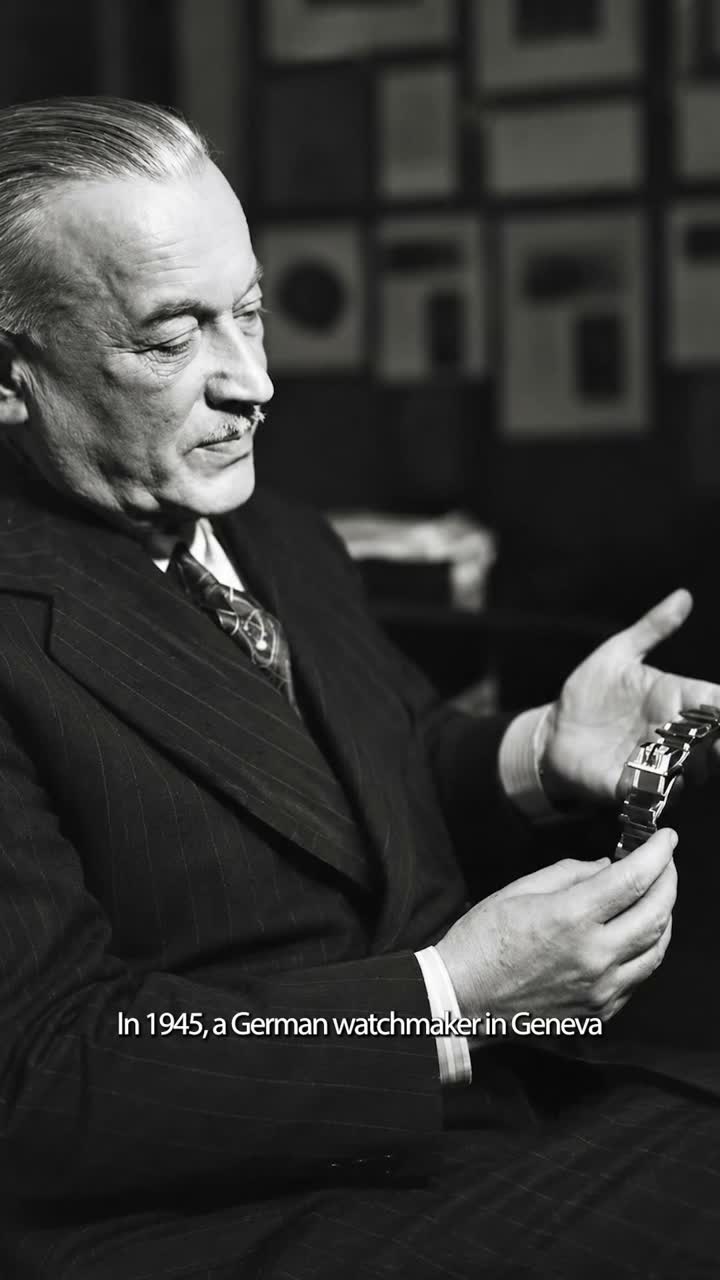
Why Rolex has no owner and no shareholders
by yieveberlins
 ▶ 2:19
Business
Why are Ferraris red? It was never Ferrari's choice
by yieveberlins
 ▶ 1:50
Business
How a global brand designed a store around Hangzhou's bridges
by Amy | 🇨🇳 Business Insights